Skip to content
Call (951) 297-9994Licensed, insured and bonded · License #585047

Venetian Plaster, Limewash and Roman Clay in Temecula

Temecula Premier Painting is a trusted Riverside County specialist in Venetian plaster and limewash in Temecula, CA, specializing in burnished Venetian plaster walls, marmorino finishes and brushed limewash on stucco and masonry. We offer Roman clay feature walls and tinted plaster on columns, arches and curved walls.

  • Free on-site estimate
  • Written scope, coat by coat
  • Colors you approve first

Get a free painting estimate

Or call (951) 297-9994. Calls only, we do not receive text messages.

About our Venetian plaster, limewash & Roman clay

Our team provides decorative painting and trowel work, delivering depth and soft movement for homeowners and designers and long-lived wall finishes for both residential and commercial projects. We sample every finish on a board in your room first, and our own trowel hands apply the walls you approved, with the basecoat, primer and any painting of trim and ceilings around them written into the scope.

From damping down a stucco wall before limewash to the final wax on a burnished plaster, our team handles every detail. Serving Temecula along with Harmony Grove, Temescal Valley and Hidden Meadows, we bring the sample boards to you and leave the room cleaner than we found it.

Why Temecula Premier Painting

How We Work

The person who looks at your walls is the person you call back, from the estimate to the final walk.

Scope in writingEach surface gets its prep, primer and coat count spelled out
Samples up firstColors tested on your own wall, and HOA submittals ready for the board
Named crewThe crew written on the estimate is the crew on your driveway
Licensed & bondedInsured, with the California licence number in the header and footer

Venetian plaster, limewash and Roman clay compared

Venetian plaster gives a polished, stone-like depth, limewash gives a soft, chalky movement that changes as it ages, and Roman clay gives a matte, suede-like surface for smooth interior walls. The right one depends on the wall, the light and how much the surface gets touched.

Venetian plaster

A mix of plaster and marble dust laid on with a trowel in thin layers and then burnished, which gives a smooth face with the look of depth beneath it. Burnished, it becomes a hard, marble-like finish; left unburnished it stays matte, stone-like and more fragile. Its depth comes from the hand work, not the material.

Marmorino

The classic Venetian lime plaster, made from crushed marble and lime putty and tinted to almost any colour. It can be finished matte, satin or glossy, and because of the hours of workmanship it sits at the top of the price range.

Limewash

Pure slaked lime in water, brushed on. It soaks into a porous wall instead of sitting on top, and it cures into the same calcite crystals that give lime its soft surface glow.

Roman clay

A clay-based plaster applied with a knife on smooth interior walls, giving textures that read like stone, stucco or marble while staying smooth to the touch.

How a Venetian plaster wall is built, coat by coat

A polished plaster wall is built in layers over a prepared base, and every layer shows in the final face, so the steps are fixed in the scope before the first trowel goes on.

Prepare the wall

Cracks, patches and texture are smoothed out, because thin plaster shows every bump beneath it. The wall is then sealed with a primer suited to the plaster system.

Lay the basecoat

A basecoat gives the plaster an even, consistent surface to grip, so the finish coats go on at a steady thickness across the wall.

Trowel the finish coats

Polished plasters are usually applied in one to four layers, each laid thin with a steel trowel. The tint, the pattern of the strokes and the number of layers are what the sample board fixed in advance.

Burnish and wax

The last layer is burnished with a steel trowel to a smooth, glass-like sheen, then sealed with a protective coat of wax. Waxed Venetian plaster sheds water, which is why it suits a powder room as well as a living room. Columns, corbels, arches and curved walls are where this finish earns its place: it gives the look of marble on shapes where real marble panels could not be installed or would cost far more to carve.

Why limewash works on stucco and masonry

Limewash works on stucco and masonry because it is drawn into the wall instead of forming a film on top, so it moves with a porous surface and weathers softly rather than peeling. A modern paint adheres to the surface; limewash becomes part of it as it reacts with carbon dioxide in the air and cures into calcite.

That has three practical consequences on a Temecula house:

  • The wall has to drink. Romabio's limewash data lists absorbent brick, natural stucco, plaster and stone as needing no primer, while portland stucco and concrete get a consolidator and a primer first, and cement board or a previously painted surface needs a bonding primer.
  • The wall is damped down before each coat. If it is too dry, the lime and pigment sit on the surface and turn powdery; if it is soaked, the limewash fails.
  • The colour arrives slowly. Limewash goes on with very low opacity and gets more opaque as it dries and cures, which is why novices overthicken it and why we let samples dry before you judge them.

Lime brings two more traits with it: lime plaster is permeable, letting moisture evaporate rather than trapping it, and its high pH discourages mould. Portola Paints describes its lime wash as a patina that softens and variegates as it seasons, so a limewashed wall looks different after a few seasons than it did on day one, and that change is the point. California's historic missions were whitewashed, so the look sits comfortably beside the Spanish and Mediterranean details found on houses across the region.

A stucco wall already coated in elastomeric or another sealed paint no longer absorbs, and we will tell you at the walk whether a mineral primer can rescue it or whether a paint is the honest answer there.

Where Roman clay belongs and where it does not

Roman clay belongs on smooth interior walls that are seen more than handled: a dining room, a bedroom wall behind the bed, a stairwell or an entry. It is made for smooth interior surfaces, and its appeal is a quiet, matte depth that a flat paint cannot give.

Matte, unburnished plaster finishes are softer than a burnished one, so we steer Roman clay away from:

  • Hallway corners, mudroom walls and the edges of doorways where bags, chairs and hands rub.
  • Showers, tub surrounds and backsplashes behind a sink, where a sealed marmorino or a waxed Venetian plaster is the finish built for water.
  • Exterior walls, where limewash or a mineral finish suits the stucco.

If you love the Roman clay look in a busy room, we can show the same tint in a burnished plaster on the sample board, so you can compare the two side by side before anything goes on the wall.

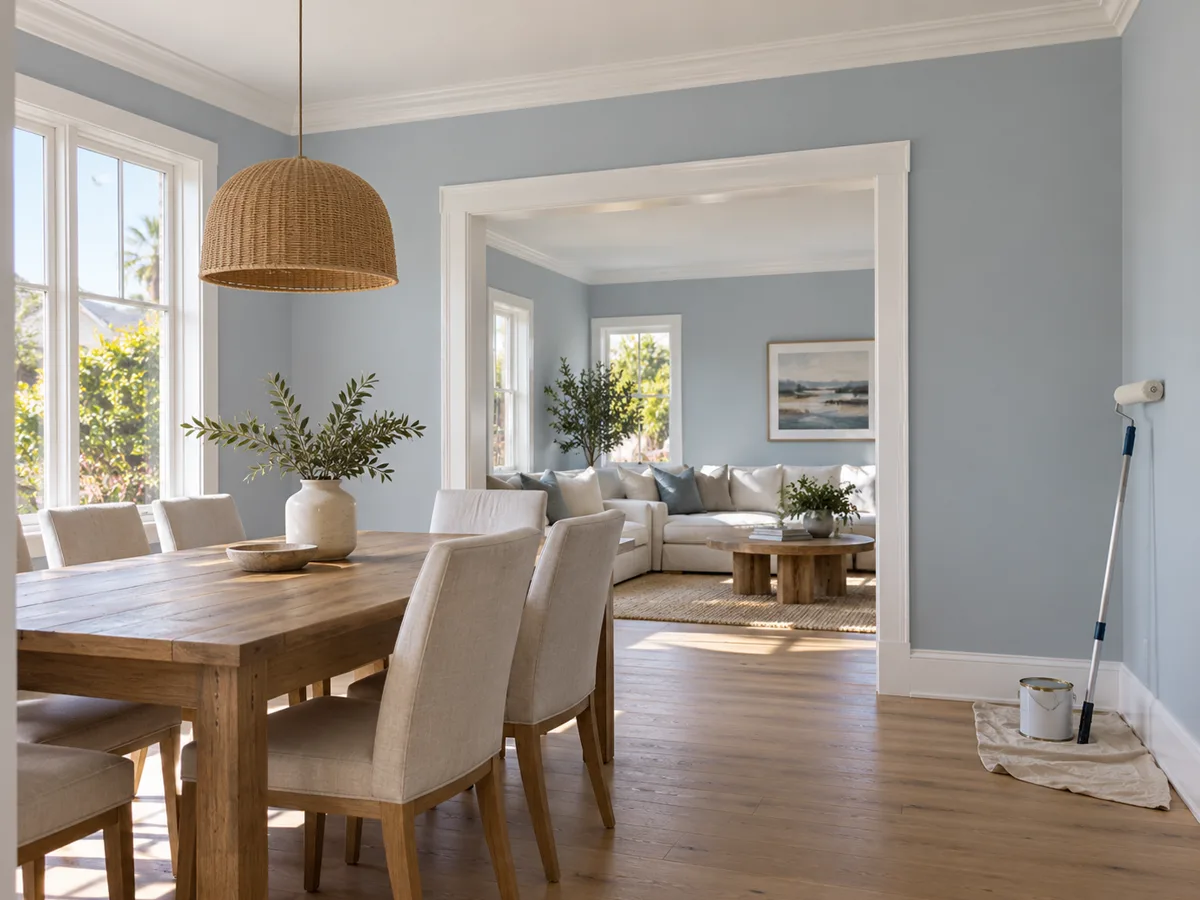
Dining and living room with soft blue-grey walls, white trim and crown moulding, a wood dining table under a woven pendant, and a roller on an extension pole beside a paint can in the corner.

Approving the sample board in your own light

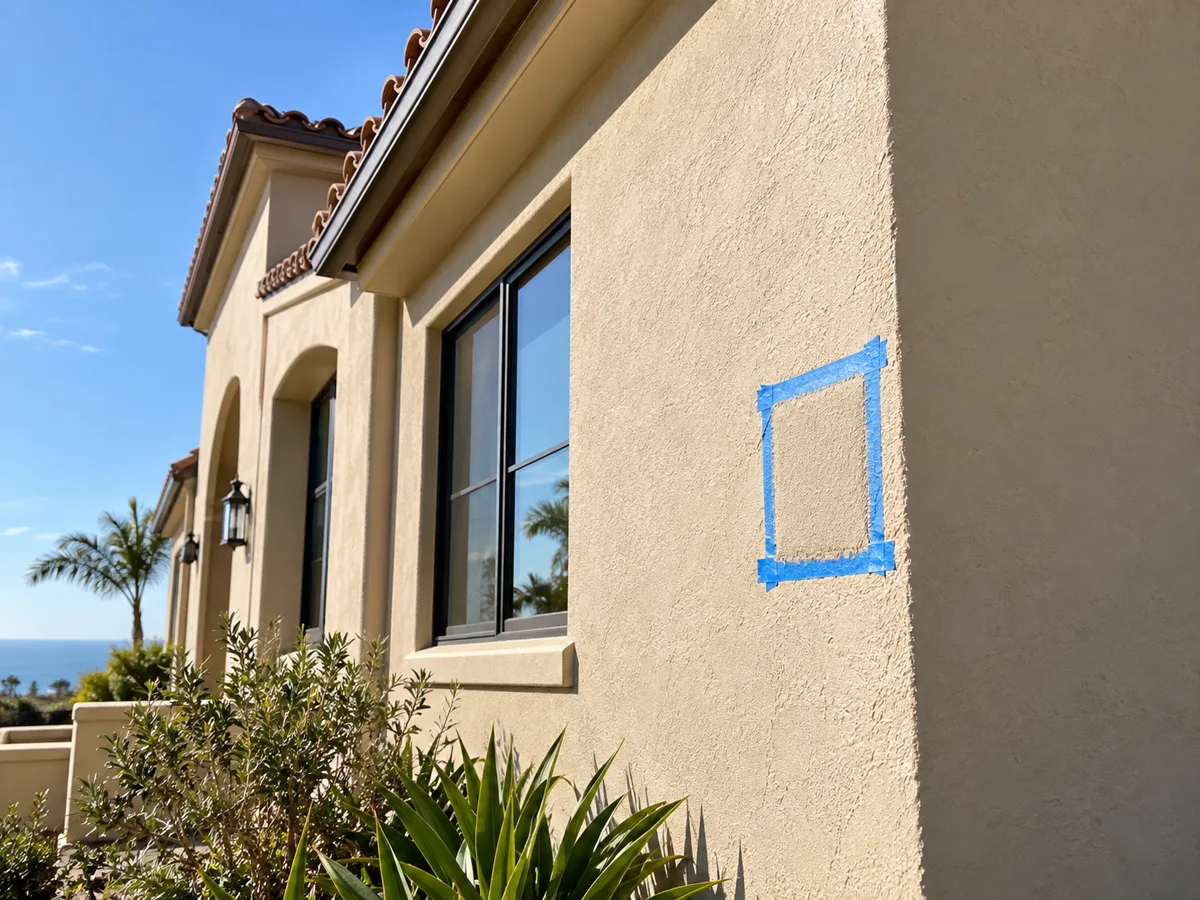
Every finish is approved on a sample board in the room where it will go, because the same plaster or limewash looks different under each room's light. A north-facing den, a skylit stairwell and a west-facing great room in late afternoon will each pull a tint in a different direction.

What each board shows you:

  • The exact tint, mixed in the batch that will go on your wall.
  • The trowel or brush pattern, from a tight, quiet movement to a looser, more visible one.
  • The sheen after burnishing or waxing, or the flat bloom of a dried limewash.
  • How the finish meets the trim colour, the floor and the cabinetry beside it.

Boards are left with you to view in morning and evening light, and lime finishes are judged only once they have dried, since their colour deepens and settles as they cure. Designers can mark up a board and send it back, and the approved board stays on site as the reference the crew matches all through the job.

Price per square foot by finish

Venetian plaster and Roman clay in Temecula are typically estimated at roughly $8 to $25 per square foot, and limewash and mineral finishes at roughly $4 to $12 per square foot, with the number of layers and the burnishing moving the price the most. A brushed limewash on an open stucco wall sits low; a highly polished, multi-layer plaster on a curved stair wall sits high.

What moves the estimate:

  • Finish and number of coats: one limewash coat versus several, two plaster layers versus four.
  • Burnishing and wax, which add careful hand time to every square foot.
  • Wall preparation: smoothing texture, patching cracks and priming to suit the system.
  • Shape and height: columns, arches, ceilings and two-story walls cost more per square foot than a flat wall at eye level.
  • Area size, since a small powder room still needs a full setup and a sample board.
  • Tinting, especially deep colours that may call for an extra layer.
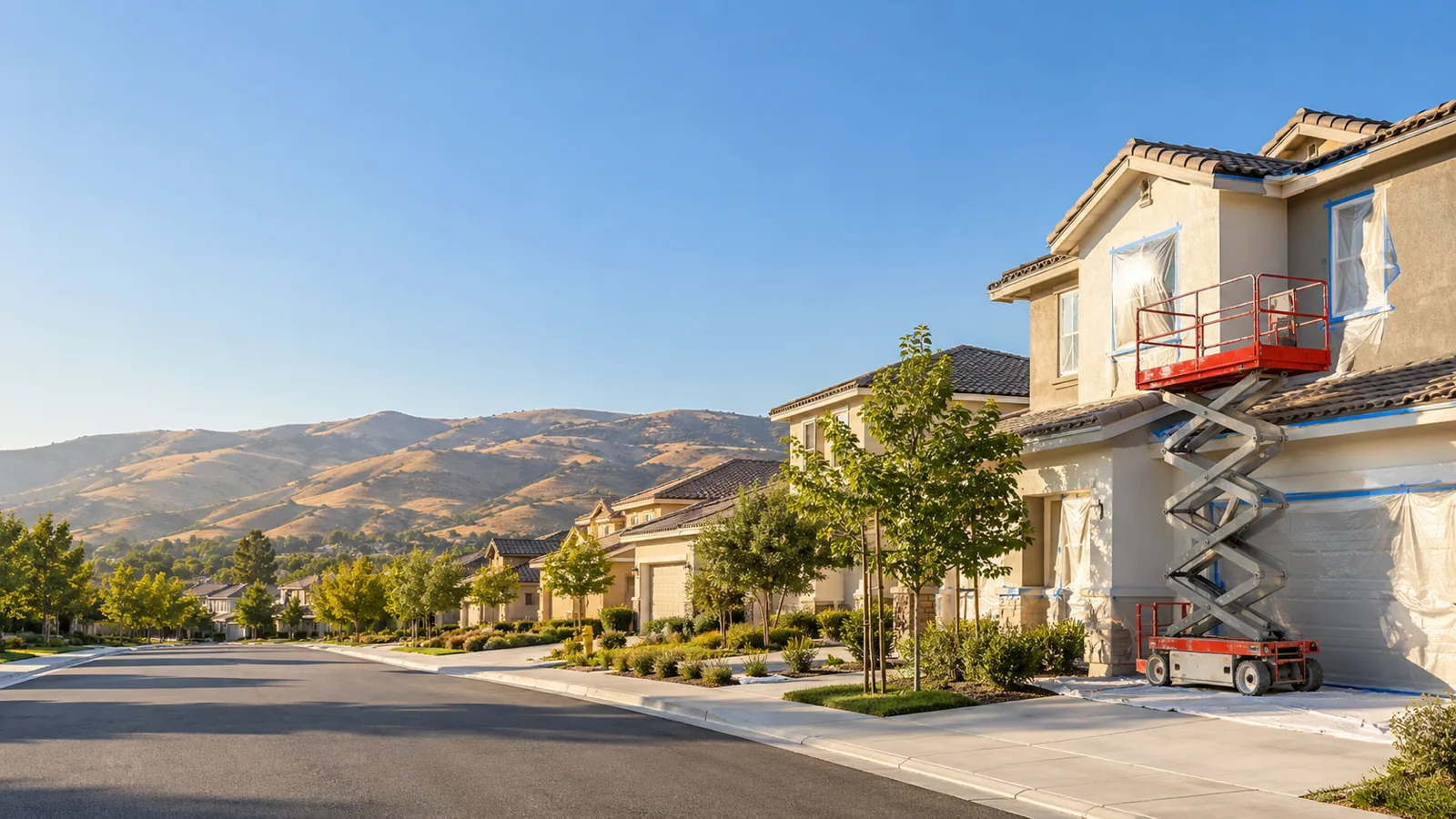
  • Exterior access and protection on limewashed stucco, including lifts on a tall elevation.

All of these numbers are estimates and subject to change with the wall and the finish you choose. The written quote, prepared after we measure the walls and agree the sample board, sets the final price.

Designers, homeowners and commercial interiors

We work from a designer's specification or help a homeowner choose from samples, and both get the same written scope, products and sample approval. Interior designers can send a finish schedule and plans, and we price wall by wall.

Marmorino and polished plaster also show up in bars, restaurants and public buildings, so tasting rooms, restaurants around Old Town, hotel lobbies and office reception walls can send drawings or photos for a bid, with work scheduled around opening hours. Call or send the form with photos of the walls and the look you have in mind to book a design walk.

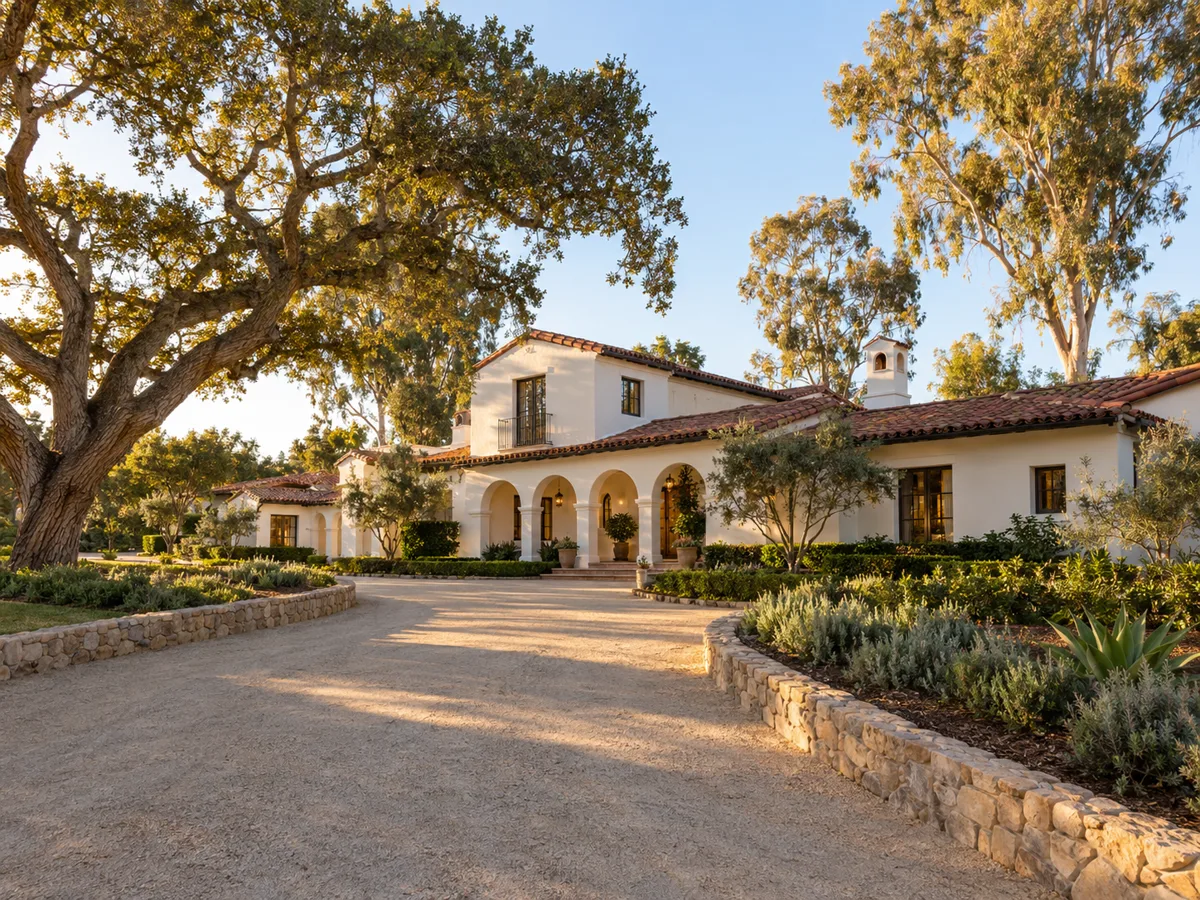
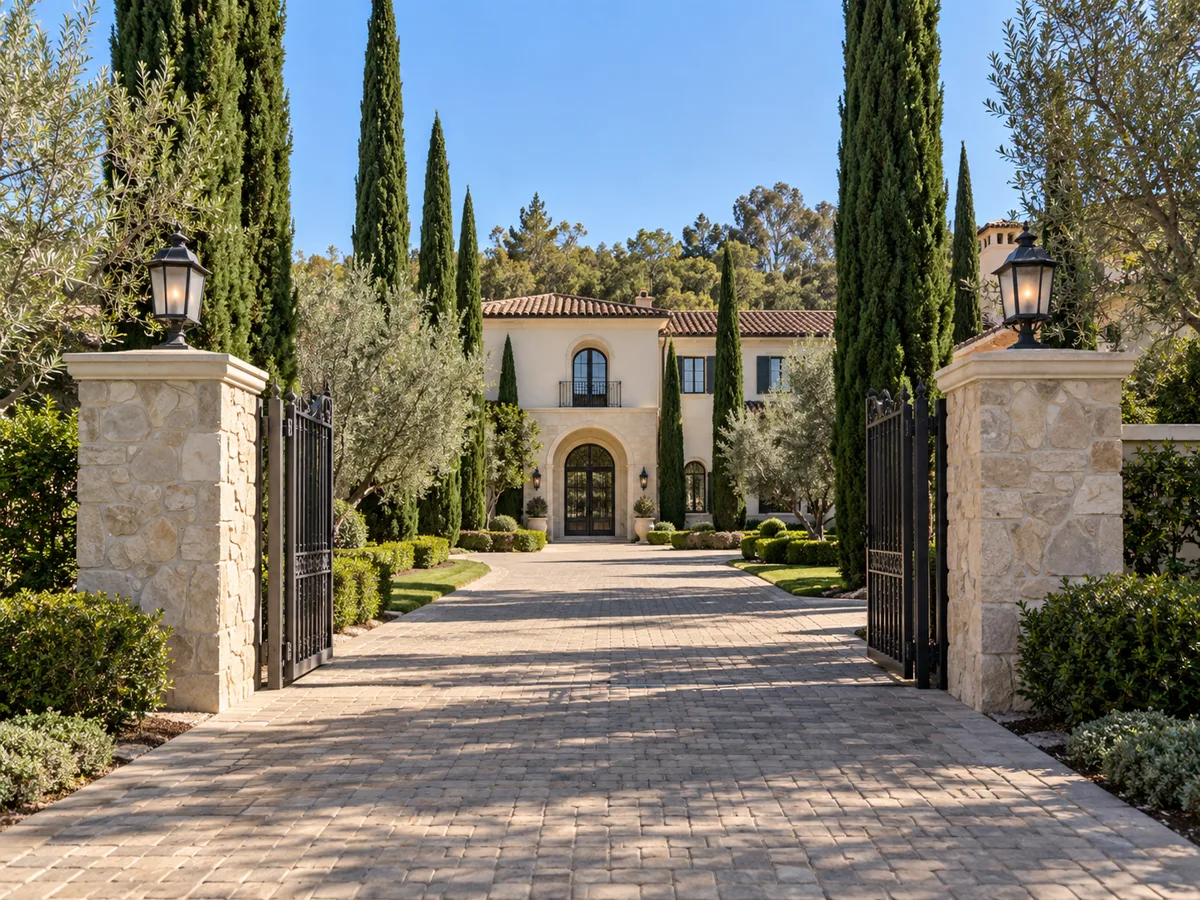
White stucco Spanish-style estate with a red tile roof and arched porch, a gravel drive edged with stone walls, under a large oak and eucalyptus trees.

Colors and Finishes

The process

How a Painting Job Runs

Four steps, and no paint goes on until you have signed off on the scope and the colors.

  1. The walk

    We go around the house or property with you, check the stucco, the trim and the existing coating, and note what inland sun, dust and dry Santa Ana winds have done to each elevation.

  2. The written scope

    The prep, products, colors and dates arrive in writing. For a community or a commercial building the scope is split into phases, so every resident or tenant knows their day.

  3. Prep, then paint

    Washing, scraping, patching and caulking come before any color, since that is what the new coating grips. Primer follows where the surface needs it, then the finish coats.

  4. The final walk

    We walk the job again together before calling it finished, and touch up anything you flag.

Questions

Venetian Plaster, Limewash & Roman Clay: Common Questions

Which costs more, Venetian plaster or limewash?

Venetian plaster is typically the more expensive of the two, because it is built up in several thin trowelled layers and burnished by hand, while limewash is brushed on in fewer, faster coats. The written quote after the walk sets the actual price for your walls.

Can limewash go over painted stucco?

Sometimes, with the right primer. Limewash needs a wall that absorbs it, and a painted or elastomeric-coated stucco does not, so it needs a bonding mineral primer first, and on a failing or heavily sealed coating we may recommend paint instead. We test that at the walk.

Can Venetian plaster go in a bathroom?

Yes, in the right form. A waxed Venetian plaster sheds water, and marmorino has long been used in bathrooms and other wet areas, so a powder room or a bathroom wall outside the shower is a good fit. Inside a shower we discuss the options at the walk.

Will limewash rub off on clothes?

A small amount can rub off a limewashed wall, which is part of how the finish ages. That is one reason we suggest it on exterior stucco, feature walls and spaces that are not brushed against all day.

When will we see the true colour of a limewash?

Only after it dries and cures. Limewash looks thin and pale when it first goes on and gets more opaque as it dries and then cures, so we judge colour on dried samples and let the finished wall settle before the final walkthrough.

Is Roman clay a good choice for a family room?

It can be, on a wall that is not leaned on. For walls near seating, corners and doorways, a burnished Venetian plaster in the same tint is harder wearing, and we show both on the sample board.

Can you limewash the outside of our house?

Yes, when the stucco or masonry can take it. Natural stucco and brick take limewash without a primer, portland stucco gets a consolidator and primer first, and the walk tells us which you have. It is priced per square foot with access and protection included.

Do you follow a designer's finish schedule?

Yes. Send the schedule, plans and any reference images, and we price each wall to it, make sample boards for the designer to approve, and keep the approved board on site so every wall matches.

Free on-site estimate

Talk to us about Venetian plaster, limewash & Roman clay

Homeowners get a free estimate at the property. Boards, managers and builders can send plans or a unit count for a bid.

Call (951) 297-9994

Licensed, insured and bonded · License #585047. Calls only, we do not receive text messages.

Call (951) 297-9994Licensed, insured and bonded · License #585047