HOA and community associations
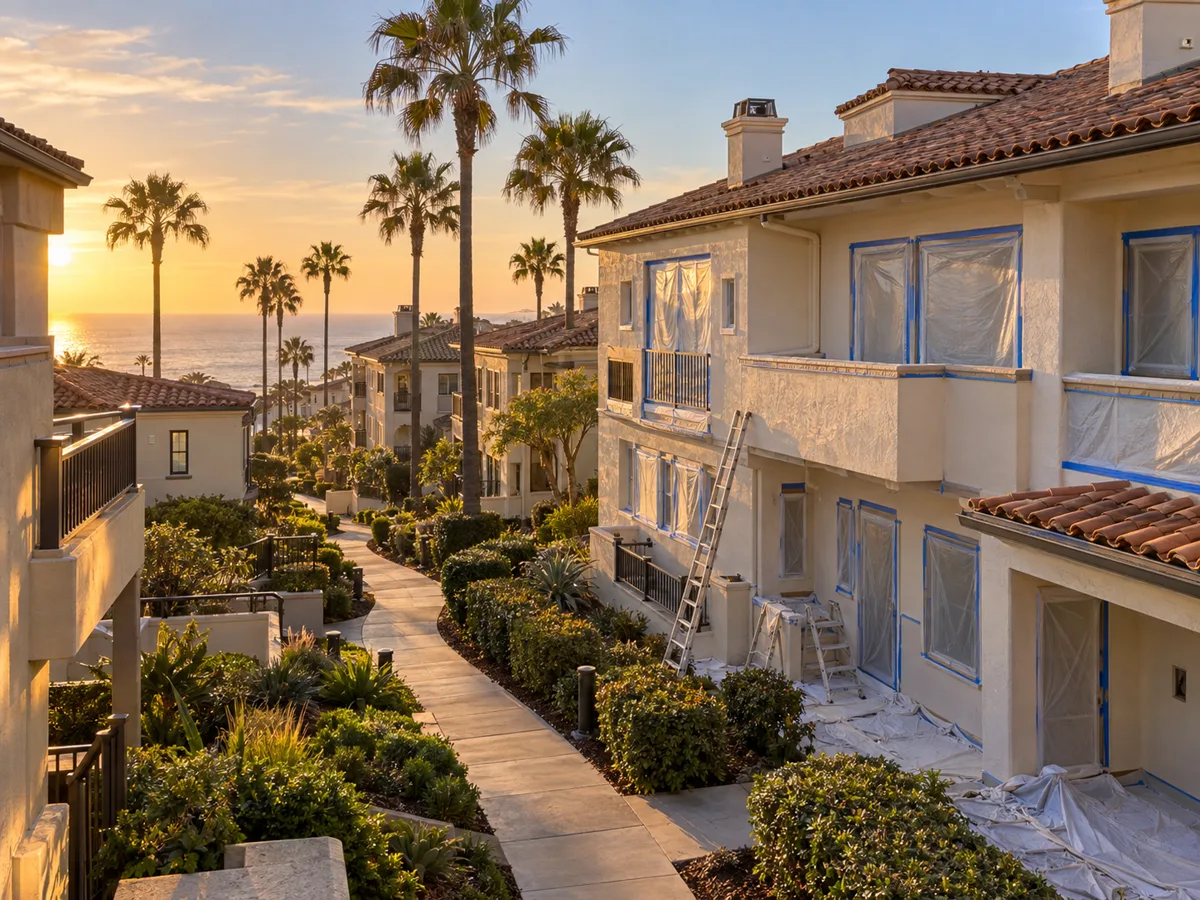
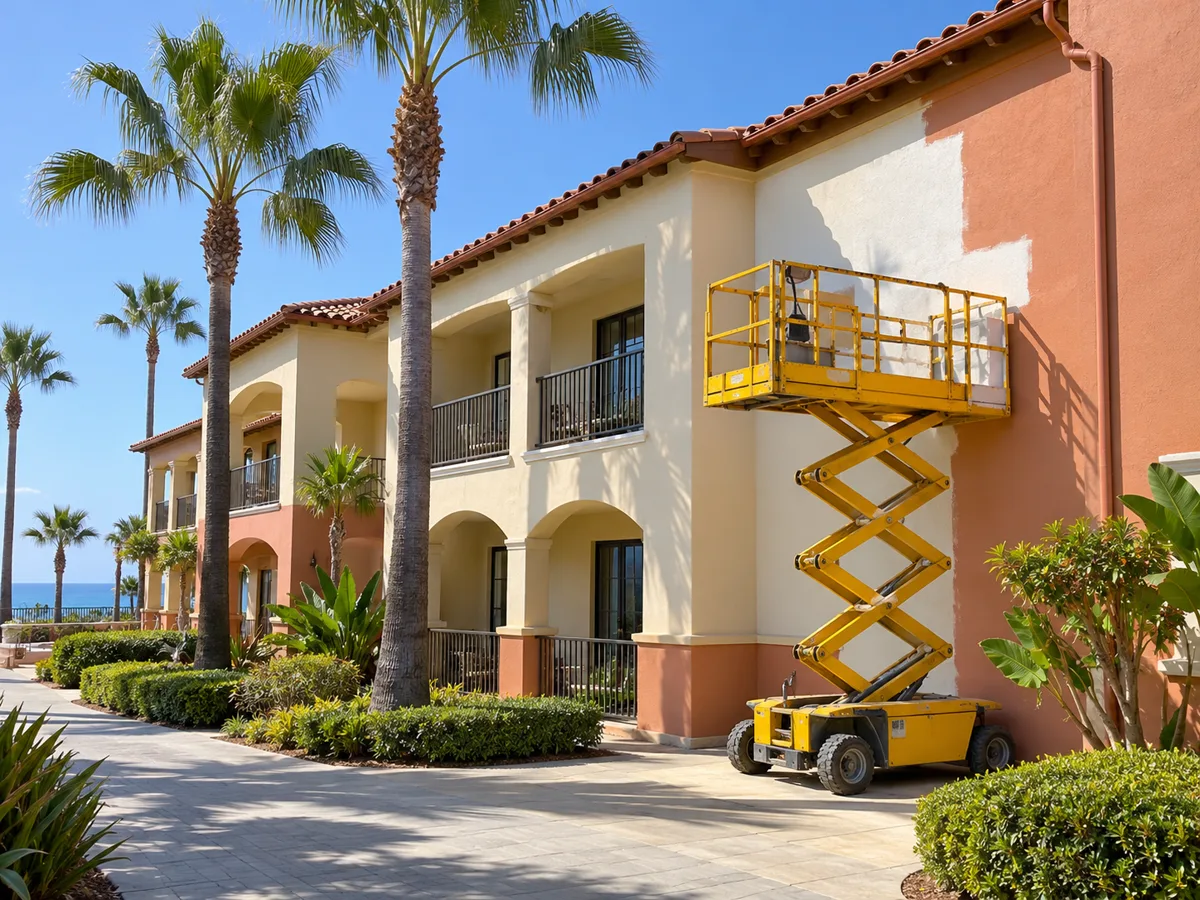
Board-run communities repainting many homes, walls and gates from reserve funds, phased street by street with owner notices.

Temecula Premier Painting is the Riverside County specialist in commercial painting in Temecula, CA, specializing in tilt-up warehouse painting, occupied office and retail interiors, and association and apartment exteriors. We offer written bid packages and phased repaint schedules.
Our team provides product submittals and colour approval, delivering a coating system the owner or architect has signed before work begins, for both residential and commercial projects. We submit the product data sheets and a painted mockup area for approval before the painting crew mobilizes, then walk the punch list with your manager before closeout.
From the takeoff by elevation and square foot to the closeout binder of colours and products, our team handles every detail. Serving Temecula, French Valley, Canyon Lake and Temescal Valley, we hold the schedule the property manager or general contractor sets and turn each phase over ready for inspection.
Why Temecula Premier Painting
The person who looks at your walls is the person you call back, from the estimate to the final walk.
The right commercial path depends on who occupies the building while it is painted and who signs the contract. Each path below has its own page, its own bid format and its own way of phasing the work, and this hub is where a general request starts when the building does not fit one of them neatly.
Board-run communities repainting many homes, walls and gates from reserve funds, phased street by street with owner notices.
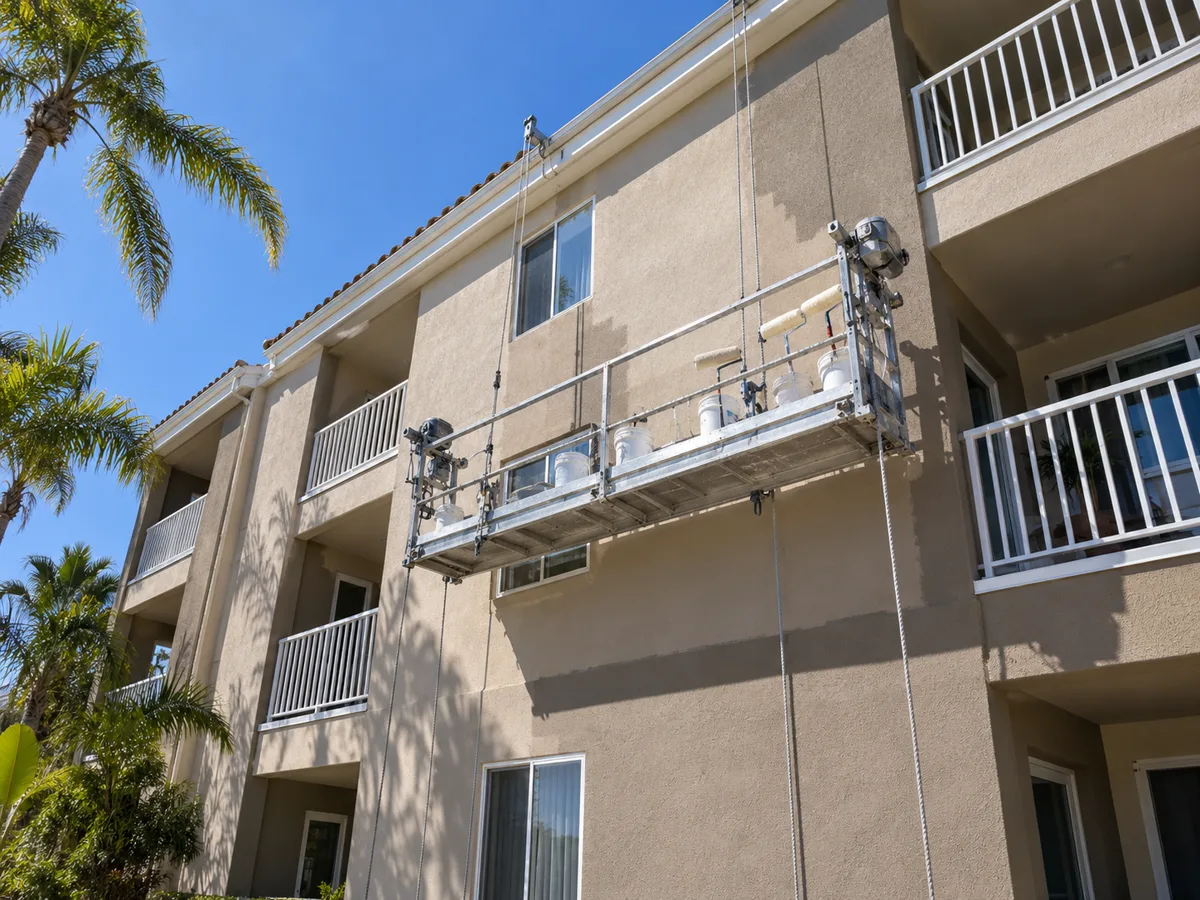
Exterior and common-area repaints of rental buildings where residents stay home, sequenced building by building.
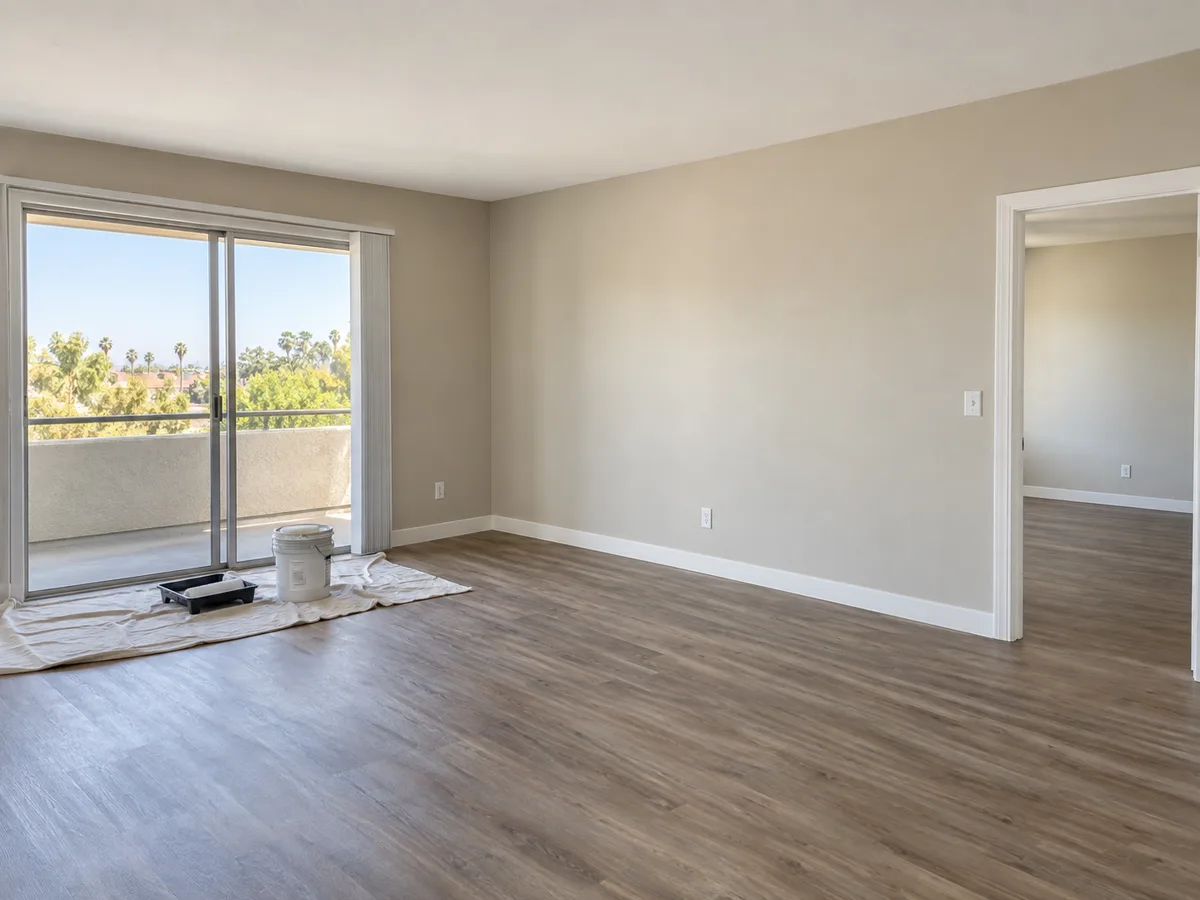
Interior make-ready of empty units between residents, priced per unit by floor plan and called in by the on-site manager.
Hospitality buildings in the wine country east of town, scheduled around tasting hours and booked event dates.
Storefronts, dining rooms and kitchens painted after hours so the doors stay open to customers.
Suites painted inside a GC's schedule or around patients and staff, with low-odour products and clean handoffs to the next trade.
Production and custom homes painted to the builder's schedule, lot by lot, with a repeatable spec per plan.
A commercial painting bid is only comparable to another bid when both price the same written scope, so the scope comes first and the number comes last. Two proposals that disagree by a wide margin almost always disagree about prep, coats or what is excluded, not about labour rates.
Our written package names every surface by building, elevation or room, the preparation each one gets, the primer and finish products by name, the number of coats, the sheen, and the exclusions. When a project has an architect's specification, the package follows its painting section line by line and lists any product we propose to substitute, so the reviewer sees the difference before award rather than on the wall.
A W-9 is the IRS form a business uses to collect a contractor's taxpayer identification number, and accounts payable usually wants it before the first invoice. Sending it with the bid removes one of the most common reasons a signed proposal sits on a desk.
Submittals are delivered before mobilization so the owner, architect or engineer approves the coating system itself, not just the price. In construction practice a submittal can include product data, samples and shop drawings, and an approved submittal is the last quality check before material reaches the site.
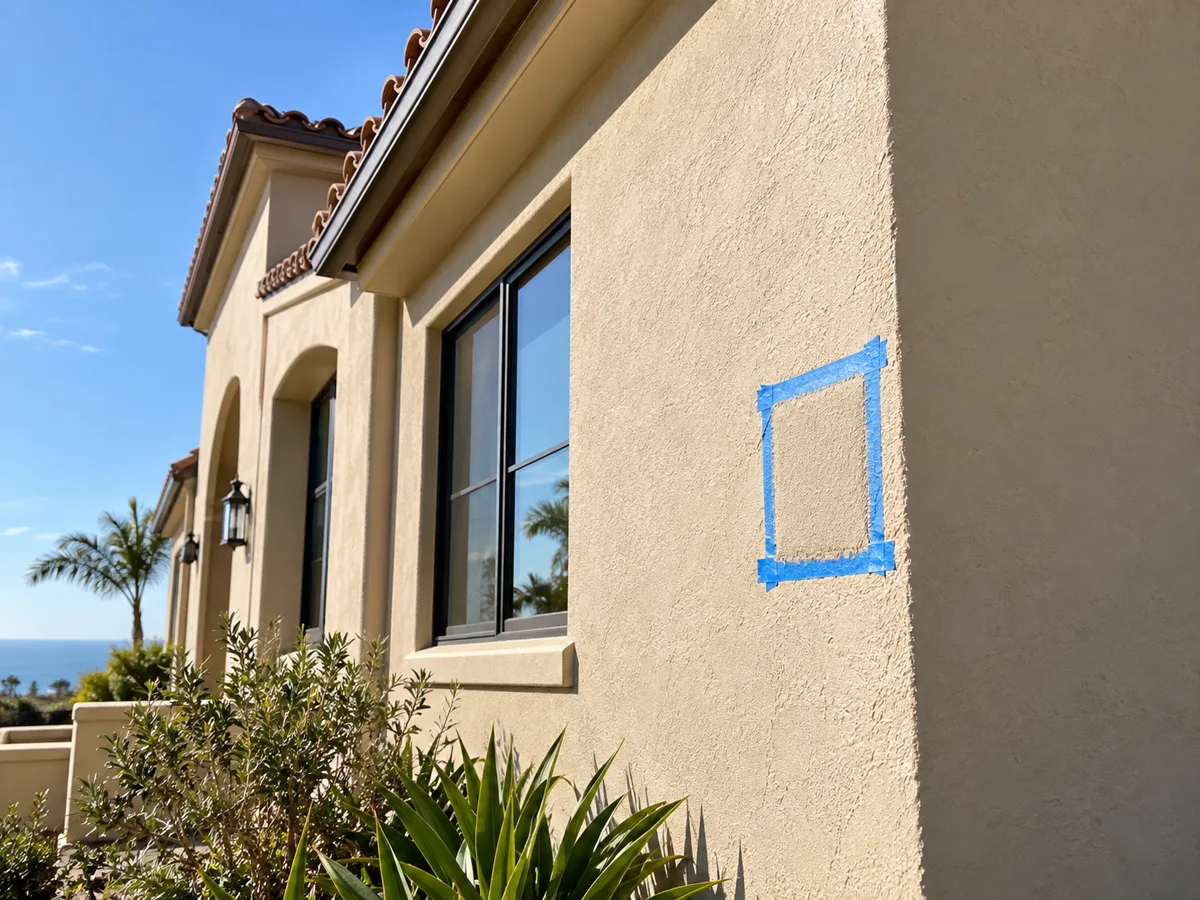
For a painting contract that means product data sheets for every primer and finish, colour cards or drawdowns in the specified sheen, and a mockup area on the actual substrate: a stucco panel on the north elevation, a section of steel rail, a corridor wall. The mockup is signed off before the rest of the building is touched, and it stays as the reference the punch list is judged against.
Every product on a submittal is also checked against South Coast AQMD Rule 1113, which limits the volatile organic compound content of architectural coatings used in the district. The district covers the non-desert regions of Riverside County, so a product that is compliant elsewhere in the country may not be the one specified here.
Phasing is written into the bid as a sequence of mobilizations, each with its own start, area and access plan, so the property keeps operating while the work moves around it. The order follows the building's use: entrances and public faces when traffic is lowest, loading areas around delivery windows, suites one at a time behind closed doors.
Temecula's commercial stock makes this concrete. Old Town is a district of historic buildings, hotels, event centers, restaurants and boutiques where storefront work has to fit around foot traffic. The Promenade retail belt opened in 1999 and its tenants keep retail hours. The wine country holds nearly 50 wineries across more than 3,500 acres of vineyards, where tasting rooms and venues run on event calendars. We name these as the kinds of buildings that exist here, not as past jobs.
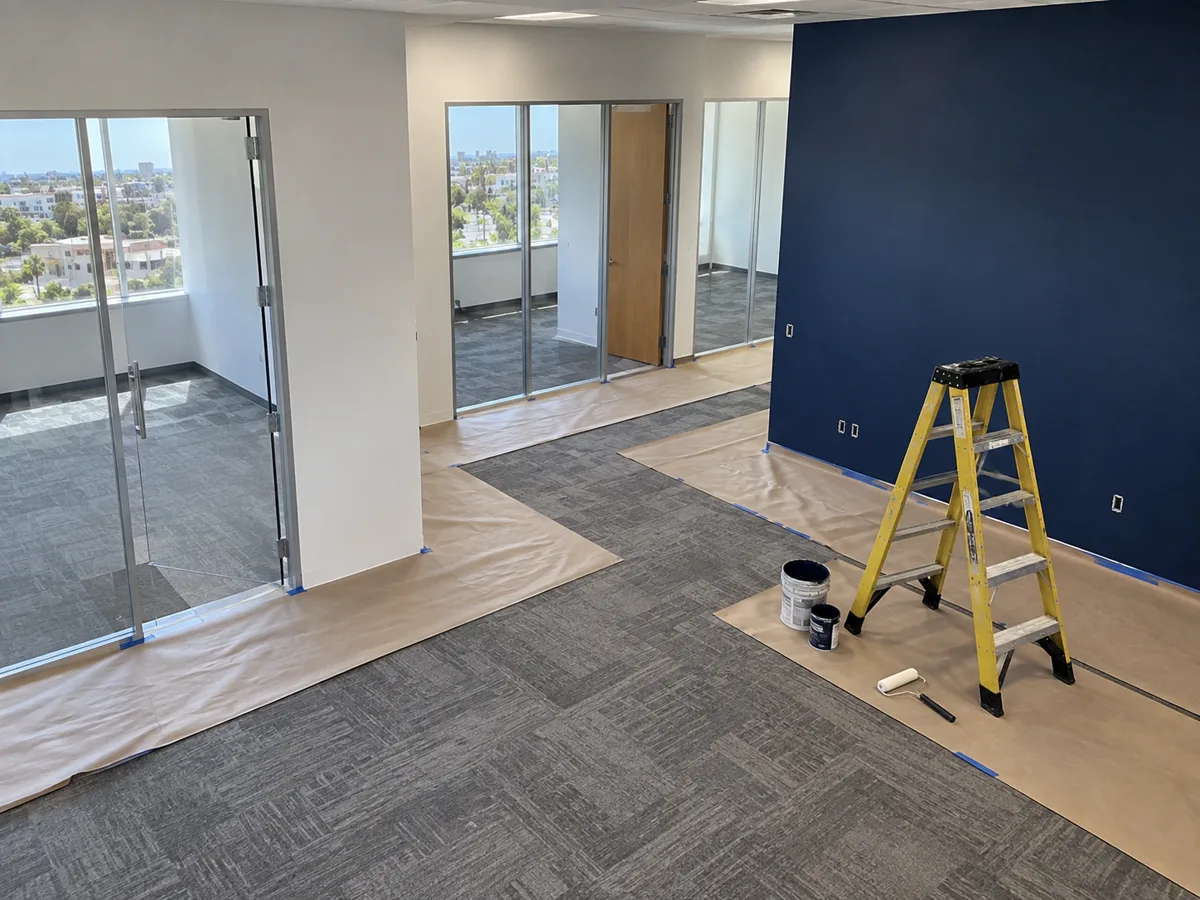
A commercial painting contract in Temecula is typically estimated at roughly $15,000 to $250,000, and the range is that wide because the bid is built from the takeoff, not from a rate card. Industry figures for planning put commercial interior work at roughly $20,000 to $150,000 and exterior building repaints at roughly $30,000 to $250,000, before any phasing premium.
What moves a commercial bid:
These figures are budgetary estimates from industry ranges, not a quote, and they are subject to change with the building and the specification. The final price is set in the written bid after the site walk and plan review. Send the plans, the unit count or the reserve study, and we will build the bid from them.
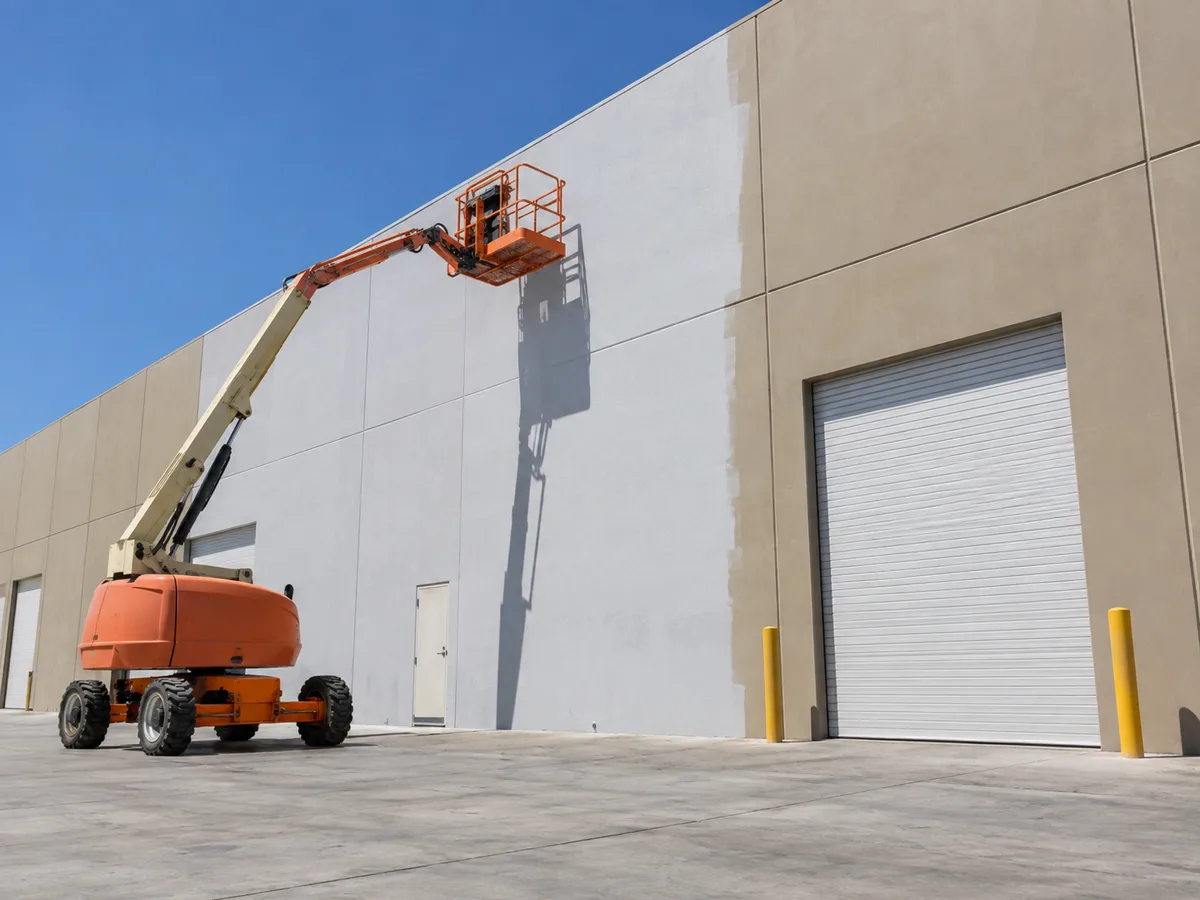
Warehouse, flex and light industrial buildings are bid from this page because their surfaces follow the same commercial process: a takeoff, a specification, submittals and a phased schedule. Many of them are tilt-up, a method where concrete wall panels are cast flat on a slab and lifted into place by crane, and the method is now used for nearly every building type, offices and schools included.
Tilt-up panels present large, flat elevations broken by panel joints, so the scope has to say how joint sealant is treated, whether the panels are washed and primed or coated directly, and how loading-dock doors, bollards and steel canopies are handled. Metal panel and steel frame buildings bring rust spots and chalked factory finishes that need cleaning and a compatible primer before the topcoat will adhere.
Operations rarely stop for a repaint. Dock elevations are scheduled around delivery windows, roll-up doors are painted in sections so at least one bay stays open, and interior warehouse work is phased by aisle or zone with forklift traffic routed around it.
The process
Four steps, and no paint goes on until you have signed off on the scope and the colors.
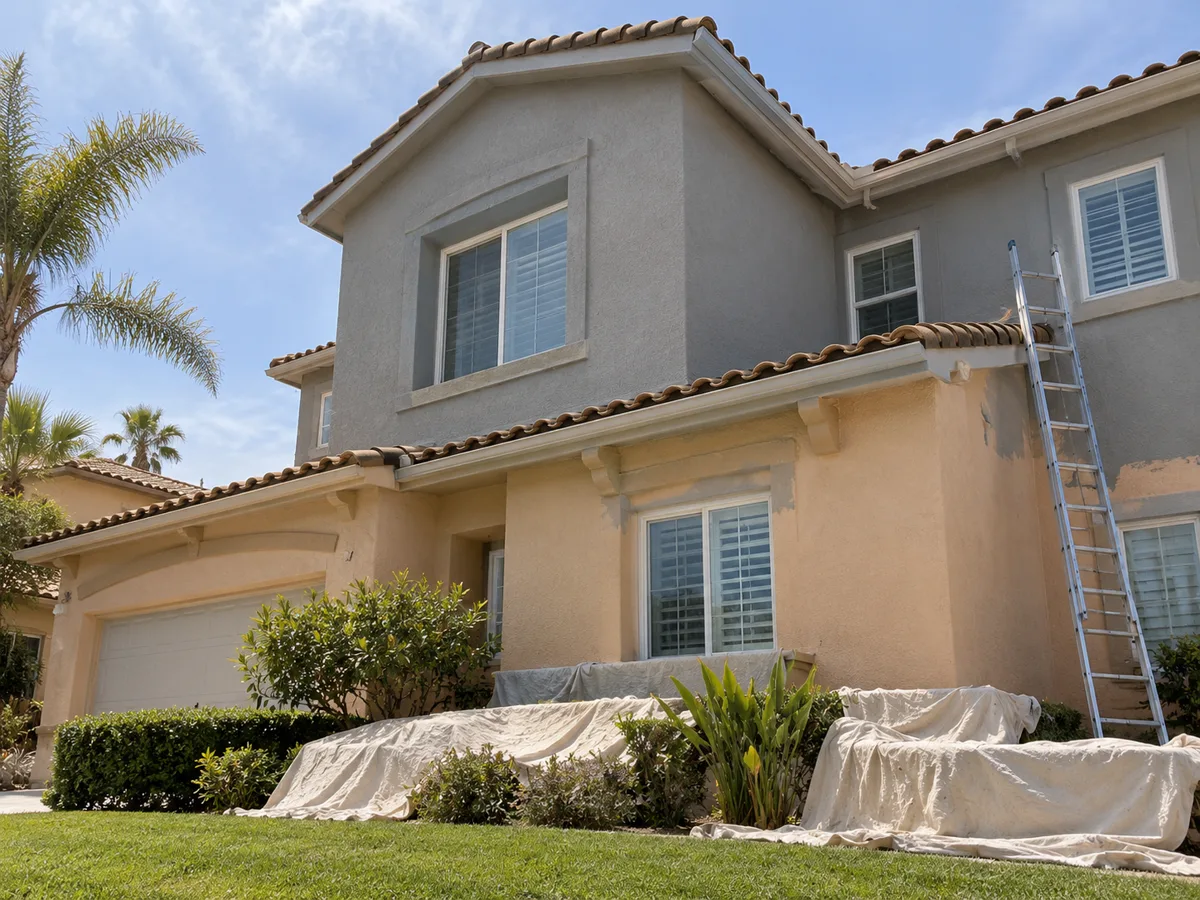
We go around the house or property with you, check the stucco, the trim and the existing coating, and note what inland sun, dust and dry Santa Ana winds have done to each elevation.
The prep, products, colors and dates arrive in writing. For a community or a commercial building the scope is split into phases, so every resident or tenant knows their day.
Washing, scraping, patching and caulking come before any color, since that is what the new coating grips. Primer follows where the surface needs it, then the finish coats.
We walk the job again together before calling it finished, and touch up anything you flag.
Service area
Questions
Both, and the best bids use both. Plans and a specification let us build the takeoff and the scope sheet; a site walk confirms surface condition, access and anything the drawings do not show, such as failing caulk or rust bleed. For repaints of existing buildings without drawings, the site walk is the takeoff.
Any building where the work needs a written scope, a schedule and commercial paperwork is a fit, from a single office suite to a multi-building property. If the request is smaller, such as one storefront door, call and we will tell you straight away whether a commercial bid makes sense or a simpler written estimate does.
Yes, where the property requires it. Off-hours shifts are shown as their own line item in the bid so the owner can see what keeping the building open costs and decide which phases need it.
One named lead runs the job from mobilization to punch list and is the contact for the property manager or superintendent. That same lead walks the mockup approval and the final punch list, so the person who agreed the standard is the person who signs it off.
Only in writing and before award. If a specified product is unavailable or not compliant with South Coast AQMD Rule 1113, the bid lists the proposed alternative with its product data sheet so the architect or owner can approve or reject it.
A closeout binder listing every colour by name and formula, the products and sheens used on each surface, the signed punch list and the written warranty. Future touch-ups and the next repaint start from that record instead of from guesswork.
Billing follows the phases written in the proposal, so each invoice matches a completed, inspected area. The terms are written into the bid and agreed before work begins, and nothing is billed for an area that has not passed its walk.
Homeowners get a free estimate at the property. Boards, managers and builders can send plans or a unit count for a bid.
Licensed, insured and bonded · License #585047. Calls only, we do not receive text messages.