Notice
The manager approves the notice wording and the crew delivers it door to door, with a copy for the management portal.

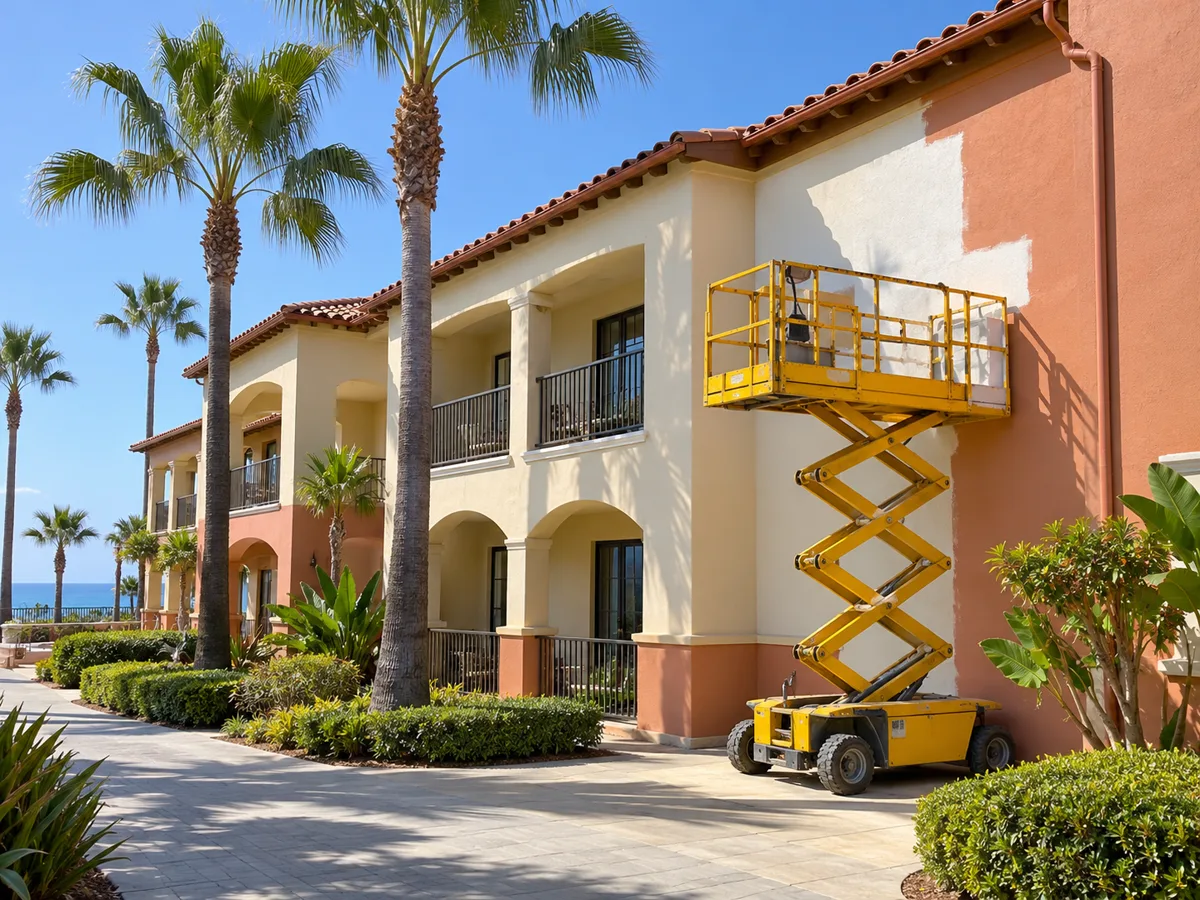
Temecula Premier Painting is a trusted Riverside County contractor for HOA painting in Temecula, CA, specializing in community-wide stucco repaints, perimeter block wall coating and entry monument refinishing. We offer street-by-street phasing and owner notice packets.
Our team provides colour matching by formula for every painting phase, delivering one documented palette per building that later touch-ups and resales can rely on, for both residential and commercial projects. We write the scope line by line against your reserve study, sample each palette colour on a test wall the board approves, and walk the punch list with your community manager before painting moves to the next street.
From efflorescence brushed off block walls to the final colour record filed with the management company, our team handles every detail. Serving Temecula, Temescal Valley and Canyon Lake, we sequence each phase so owners always know which street is next.
Why Temecula Premier Painting
The person who looks at your walls is the person you call back, from the estimate to the final walk.
For a California association, the repaint year and budget usually come from the reserve study, so a useful bid starts there and is structured to land inside that reserve line. Under Civil Code section 5550, the board must have a visual inspection of the major components done at least once every three years, and the study has to identify each component's probable remaining useful life, estimate the cost of its repair or replacement, and set out a funding plan.
Exterior paint is one of those components in most communities, often listed separately from wood trim, wrought iron and block walls. We read the study before we price anything: which components it names, the year it schedules them, and the dollar line it reserves. The bid then follows the same component list, so the board can set our numbers beside the study and see where each one lands.
When the walk finds something the study did not anticipate, such as stucco cracking or rusted gates that need more than paint, it goes into the bid as an alternate rather than into the base price. The board keeps the base inside the reserve line and decides separately whether to fund the extra this year or carry it to the next study.
A community repaint is only comparable across bidders when every bidder prices the same written scope, and associations rarely have one until somebody writes it. We will write it, and the board is free to hand it to every contractor it invites.
That last line matters more than it looks. CC&Rs decide what the association maintains and what each owner maintains, and they differ from one community to the next, so the scope follows your documents rather than a template.
Phasing street by street with written owner notices keeps cars, sprinklers and pets out of the way, and keeps the complaints off the community manager's desk. Each street gets a printed notice before washing begins, naming the days for washing, prep and paint, what owners need to do, and who to call on site. Each street then moves through the same four steps.
The manager approves the notice wording and the crew delivers it door to door, with a copy for the management portal.
Walls are washed, cracks filled, failing caulk replaced and rust treated, street by street in the order on the schedule.
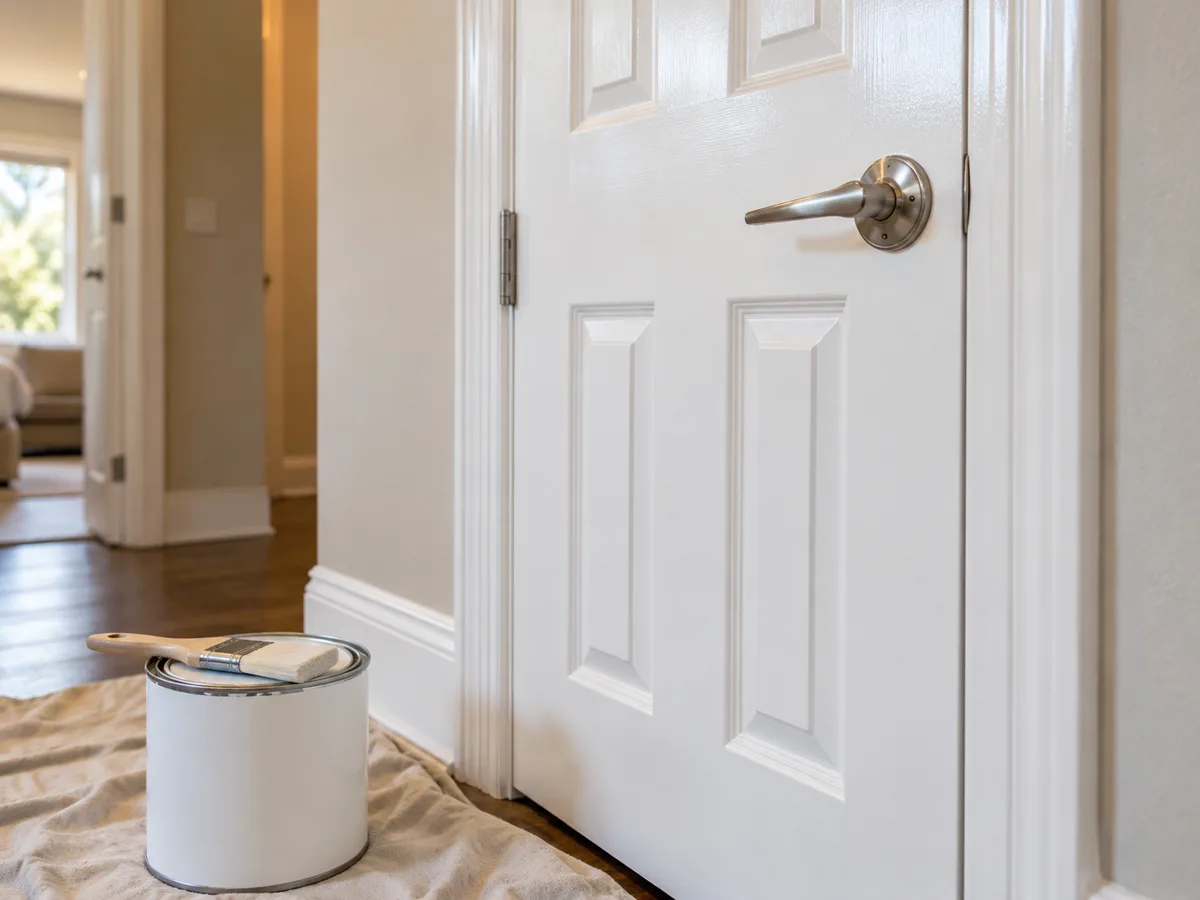
Body, trim and doors are coated in the approved palette, with masking on windows, lights and hardware.
The lead and the manager walk the street, list any misses on a punch list, and close them before the crew moves on. Temecula grew largely after it incorporated in 1989, and much of it was built as master-planned communities: Redhawk, annexed by the city in 2005, and neighbourhoods such as Wolf Creek and Paseo del Sol. In communities that size, one street finished cleanly before the next begins is what keeps a board meeting about the repaint short.
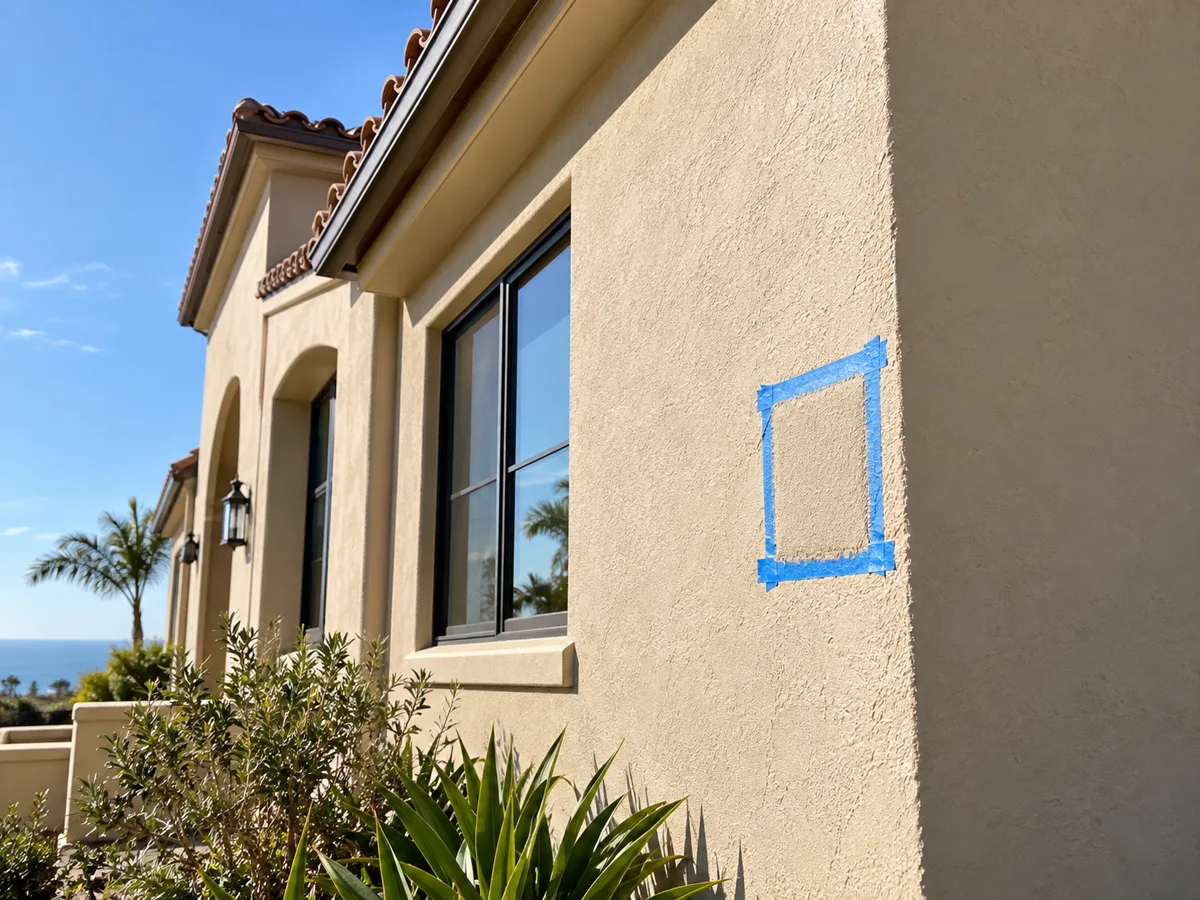
The board's approved palette is matched by formula and documented per building, so later touch-ups and resales use the same colours and not a near miss from a fan deck. Before the first street, each scheme is painted as a sample on an actual wall in the community and approved by the board or its architectural committee.
As each building is finished, its scheme number, colour names, formulas and sheens go into a record the management company keeps. When an owner later applies to change a door colour or repaint a wall after a repair, the committee has the exact formula on file. California Civil Code section 4765 requires an association's decision on a proposed change to be in writing, with an explanation and a reconsideration path if it is disapproved, and a building-by-building colour record gives the committee something concrete to decide against.
A community with an older palette that has drifted, where faded and newer homes no longer match, can use the repaint to reset it. Strong sun breaks down the organic pigments in many paints over time, so south and west elevations fade first, and a single documented palette brings the streets back to one standard.
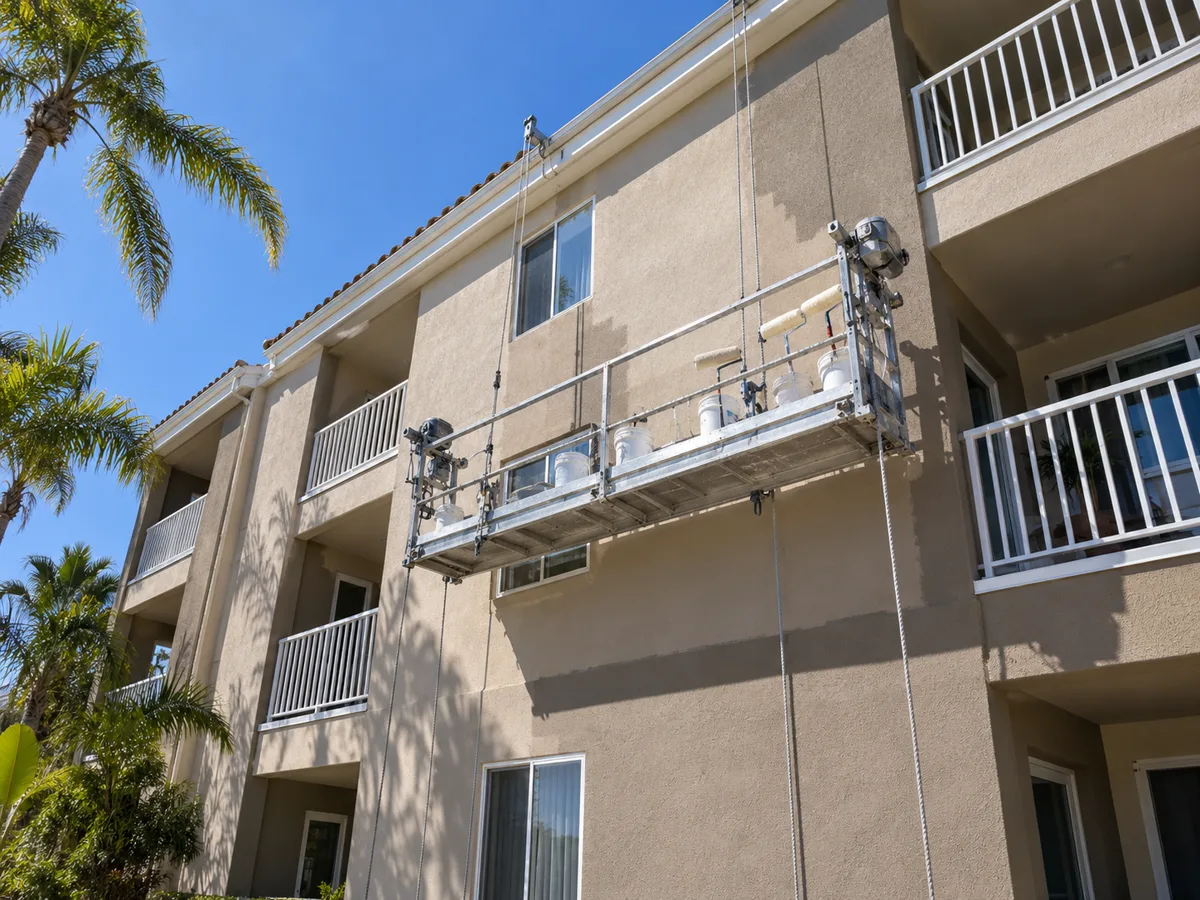
A community-wide exterior repaint in the Temecula area is typically estimated at roughly $100,000 to $600,000 per community, an industry planning range that depends far more on the number of buildings and components than on any per-home average. The bid is built as a takeoff by building and component, priced against the reserve study's list.
To compare bids, ask every contractor to price the same scope sheet, then read the alternates and exclusions before the totals. These are estimates for planning, they are subject to change with the condition the walk finds, and the final price is set in the written bid. Send the reserve study, the building count and the CC&R maintenance section, and we will return a bid built on them.
Common-area items are priced as separate line items the board can accept or defer, because they are often funded on a different reserve schedule from the homes.
Concrete block walls absorb water, and the salts it carries can surface as white efflorescence that has to be brushed off and the cause addressed before a coating will hold.
Stucco or stone monuments at the gates are the community's sign, so they get their own sample and their own approval.
Wrought iron and steel are wire-brushed, rust-treated and primed before the finish coat, priced by linear foot or by gate.
Pool buildings, restrooms and clubhouses are scheduled around reservations and opening hours, inside and out. Gated master plans in the wider service area work the same way, such as Sycamore Creek in Temescal Valley or Canyon Lake, where the property owners association manages the private streets and community rules.
The process
Four steps, and no paint goes on until you have signed off on the scope and the colors.
We go around the house or property with you, check the stucco, the trim and the existing coating, and note what inland sun, dust and dry Santa Ana winds have done to each elevation.
The prep, products, colors and dates arrive in writing. For a community or a commercial building the scope is split into phases, so every resident or tenant knows their day.
Washing, scraping, patching and caulking come before any color, since that is what the new coating grips. Primer follows where the surface needs it, then the finish coats.
We walk the job again together before calling it finished, and touch up anything you flag.
Questions
Yes. The base bid follows the reserve study's components and is written to land inside its line, and anything the walk finds beyond that is shown as a priced alternate. The board then decides what to fund now and what to carry to the next study.
Yes. We can walk the board or its committee through the scope sheet, the phasing plan and the alternates at a meeting, so directors vote on what is included, not only on a total.
Each street receives a written notice before work starts there, with the washing, prep and paint days and what owners need to do. The manager approves the wording first and receives a copy for the community's own channels.
The association does. Colour changes go through the board or architectural committee under the community's rules, and we paint the scheme the association approves in writing. We can supply samples for the committee to judge.
Yes, as a separate written agreement with the owner, such as a patio cover or interior work. It is kept apart from the association contract so the community's bid and billing stay clean.
A colour record per building with formulas and sheens, the signed punch lists for every street and a written warranty. The management company keeps the record for future touch-ups and owner applications.
The reserve study, a site map or building count, the section of your governing documents on maintenance responsibility and the current approved palette if one exists. A site walk with the manager completes the takeoff.
Homeowners get a free estimate at the property. Boards, managers and builders can send plans or a unit count for a bid.
Licensed, insured and bonded · License #585047. Calls only, we do not receive text messages.