Retail floors
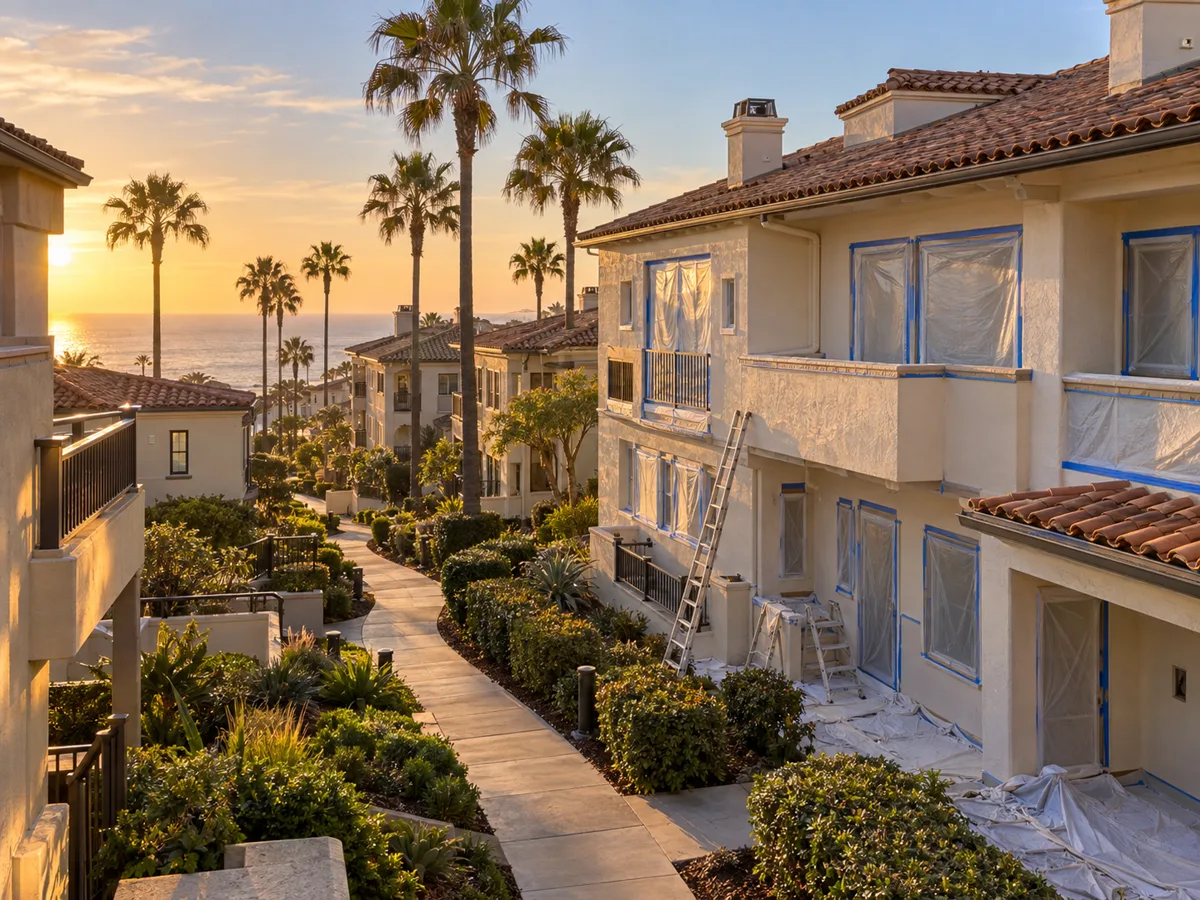
Fixtures are covered or moved with your staff, wall bays are painted in sections, and merchandise near a wet wall is protected before the first coat. Signs reading wet paint are replaced with clean walls before the doors unlock.

Temecula Premier Painting is a leading Riverside County crew for retail and restaurant painting in Temecula, CA, serving shopping-center owners, storefront owners and restaurant groups and specializing in storefront repaints, center elevation repainting and dining room refreshes. We offer overnight interior painting and scrubbable kitchen finishes.
Our team provides separate landlord and tenant scopes, delivering after-hours painting that keeps doors open and clean, durable finishes for both residential and commercial projects. We write the night-by-night schedule into the proposal and walk the punch list with your store or kitchen manager before the crew leaves each morning, so you see exactly what was finished overnight.
From caulking a canopy fascia before sunrise to repainting every elevation of a center in phases, our team handles every detail. Serving Temecula, French Valley, Canyon Lake and Temescal Valley, we keep the paint off your opening hours.
Why Temecula Premier Painting
The person who looks at your walls is the person you call back, from the estimate to the final walk.
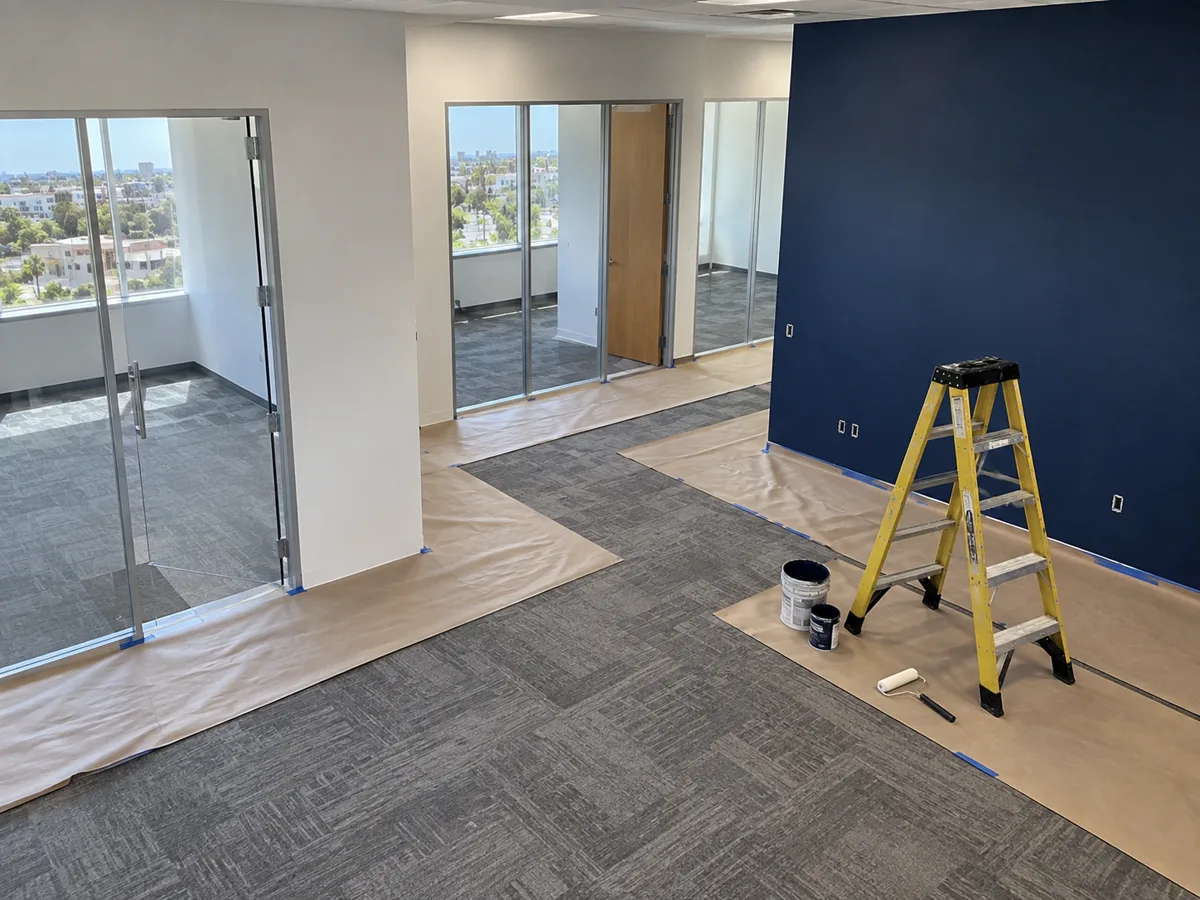
Retail and dining work in Temecula runs after close or before open, so a shop or restaurant never gives up a trading day to its painter and the space is handed back clean every morning. The schedule is written night by night: which bays, which walls, which rooms, and the time the crew is off the floor.
Fixtures are covered or moved with your staff, wall bays are painted in sections, and merchandise near a wet wall is protected before the first coat. Signs reading wet paint are replaced with clean walls before the doors unlock.
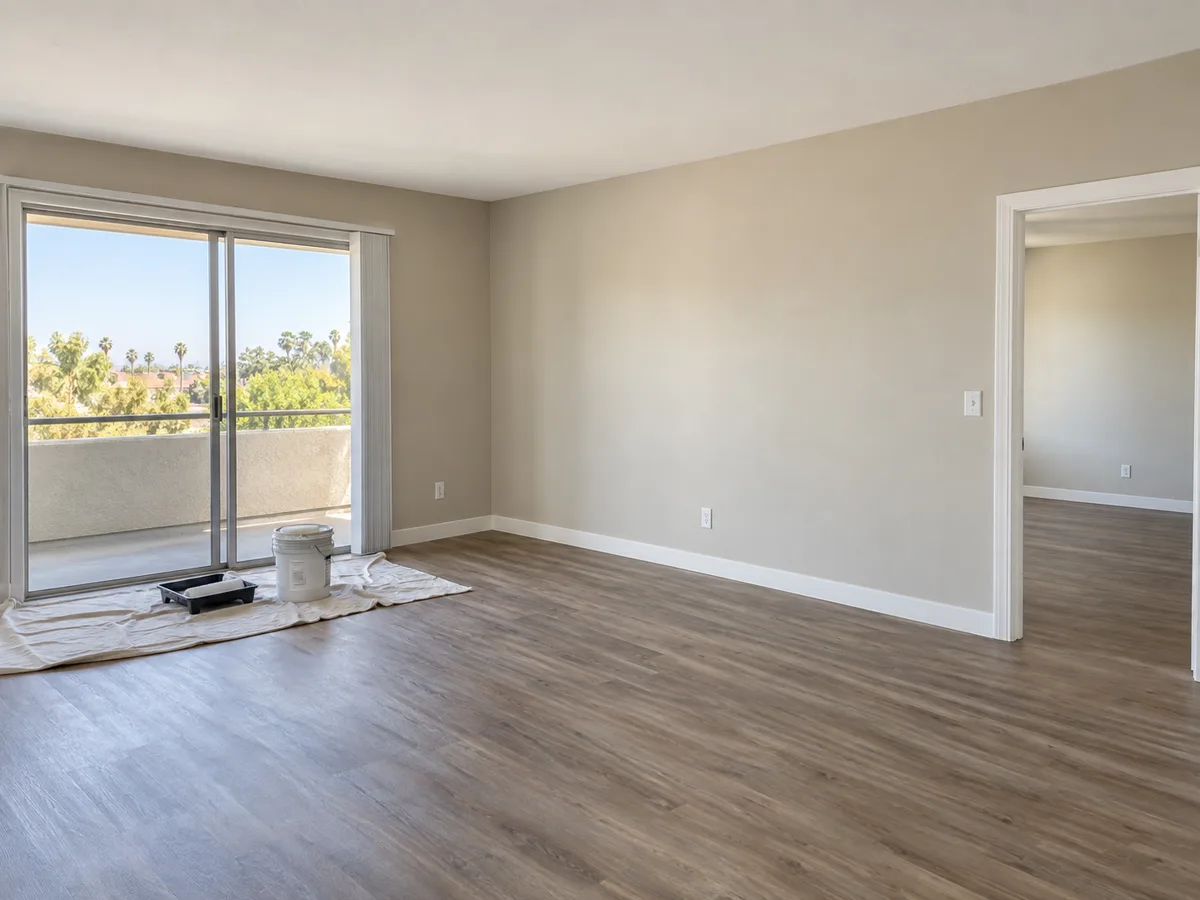
Dining rooms are painted after the last seating. Odour is managed with low-odour, low-VOC products and ventilation, and nothing is opened in a room where food will be served the next morning without your manager knowing what it is.
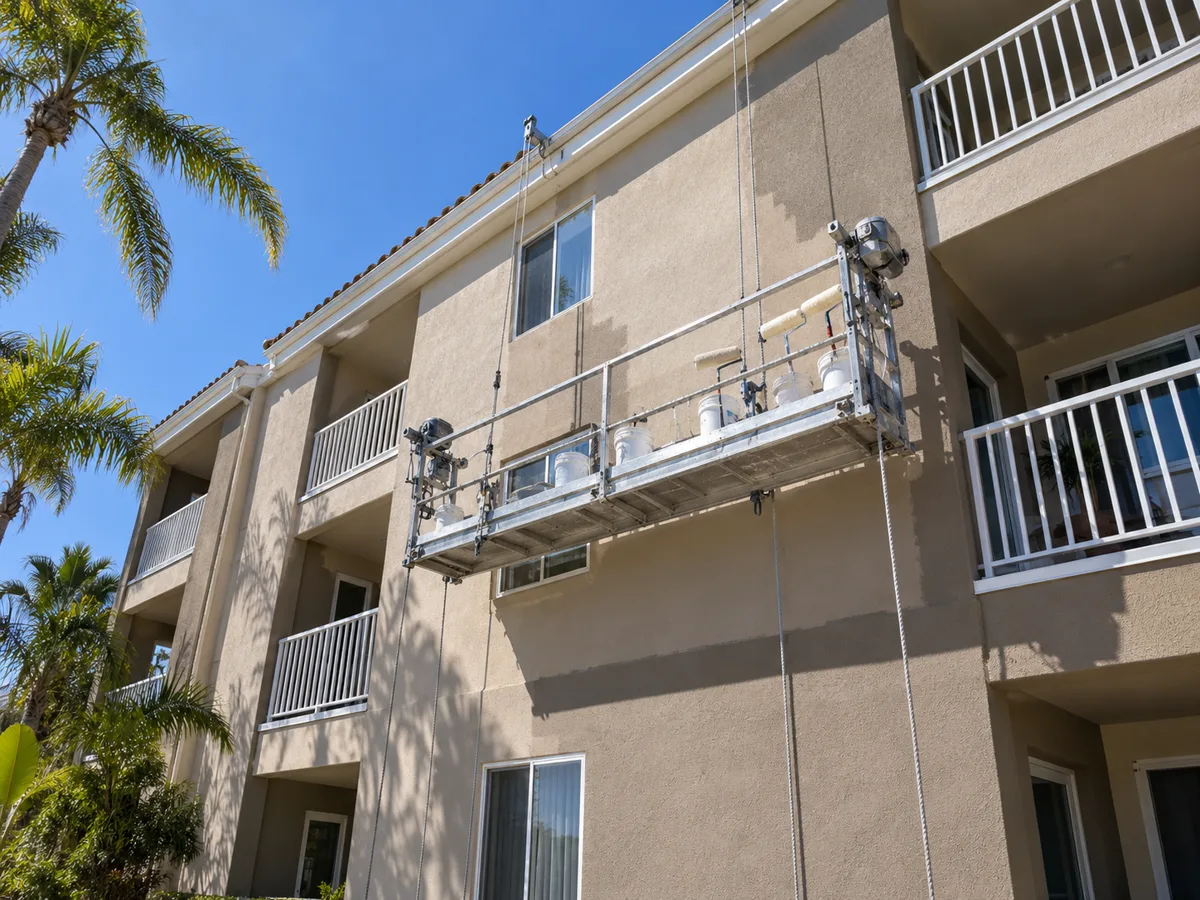
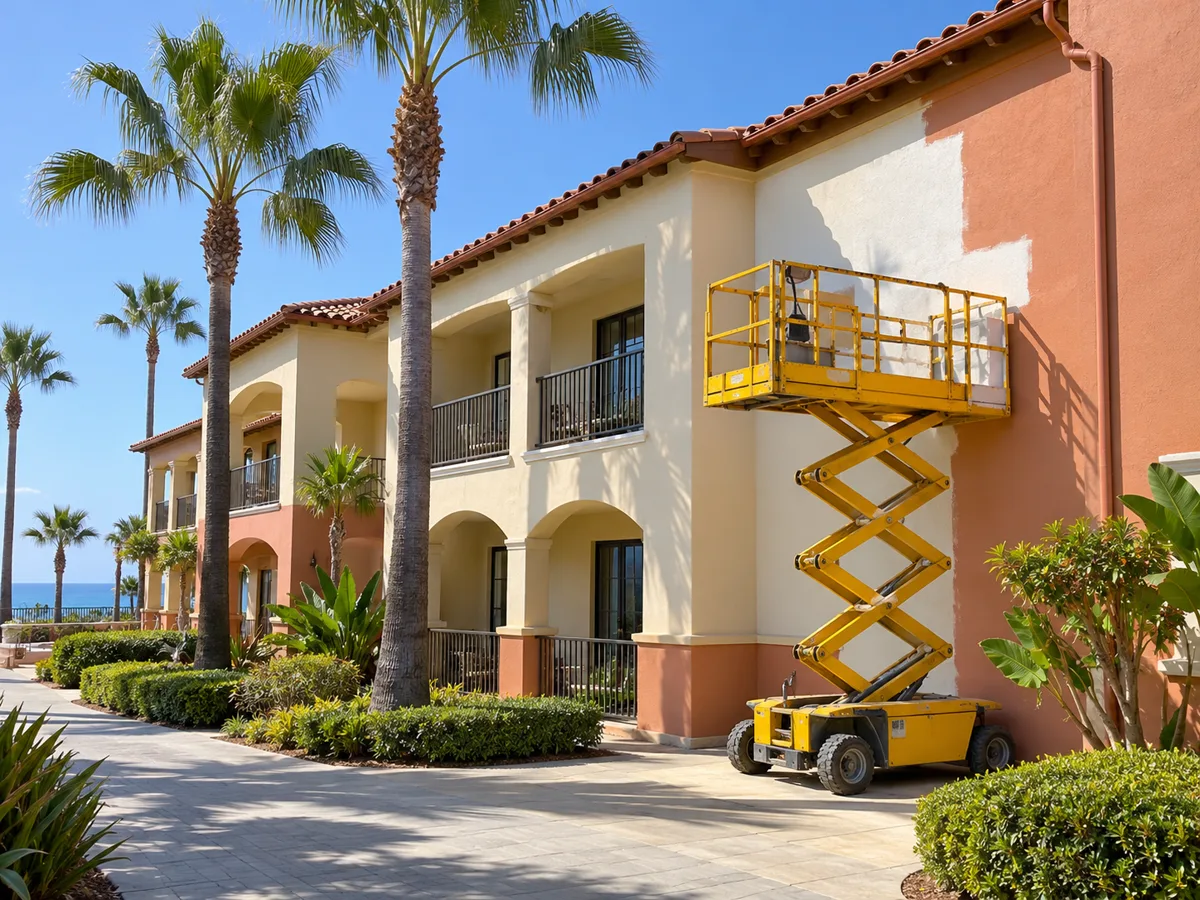
Elevations, columns and canopies are scheduled for the hours when the parking field is emptiest, with lifts and walkways roped off so customers never walk under work.
On a shopping center we price the landlord's scope and each tenant's scope as separate lines, so the owner pays for the shell and the shared areas and a tenant pays only for its own space. Mixing the two in one number is how disputes start at the end of a lease.
Tenant signs are often mounted through the area being painted. We coordinate with the sign company on whether letters come down, are masked in place, or are painted around, and record the choice on the schedule so nobody is surprised by a ghost outline on a fresh wall.
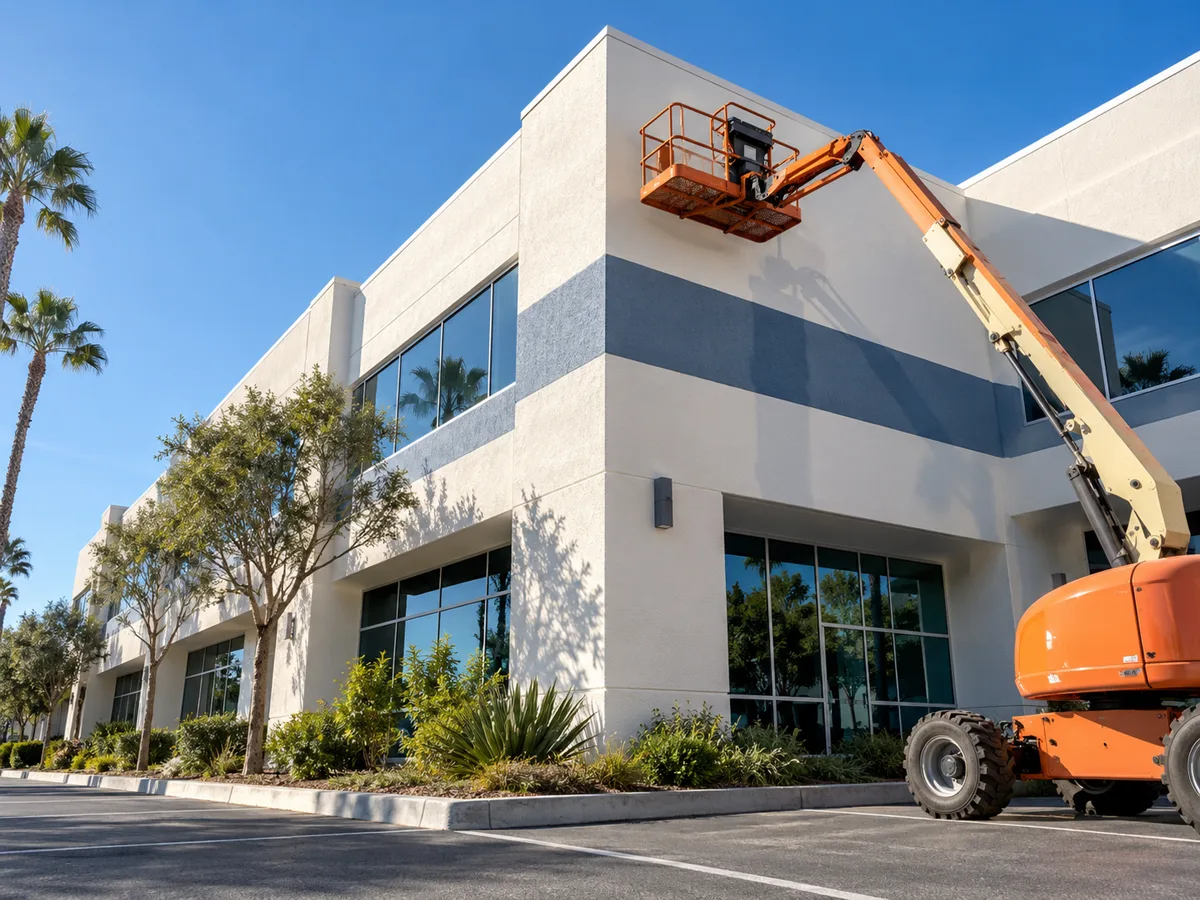
Restaurant kitchens get finishes picked for constant scrubbing because the California Retail Food Code requires the walls and ceilings of food rooms to be durable, smooth, nonabsorbent and easily cleanable. The same section exempts dining and sales areas, offices and bar areas where drinks are served directly to customers, while restrooms used only by customers must still be nonabsorbent and washable.
In practice that splits a restaurant into three finish zones:
Sheen matters here. Gloss coatings resist staining and clean more easily than flat ones, but they also show every surface flaw, so a high-sheen kitchen wall is only as good as the patching and sanding under it. Flat finishes touch up better, which is why a dining room ceiling and a dish room wall rarely get the same product.
Old Town Temecula, the city's downtown district, is a street of historic buildings, hotels, restaurants, boutiques and antique dealers with City Hall at its centre, and it hosts a Saturday farmers' market and events such as the Rod Run car show and the Fourth of July Parade. A storefront there is part of a themed street, so colour selection is checked against the neighbouring facades and the historic character, not chosen from a fan deck in isolation. The city's City-Wide Design Guidelines, adopted by council resolution in 2005, include a commercial chapter with sections on design theme, storefront design and materials and colors. We read the applicable guidelines and any center criteria with you before a colour is submitted, and if a colour change needs a review we leave that decision with the owner and the city.
Market mornings and street events are blocked out of the exterior schedule first, because a lift on a closed street is a problem nobody wants.
Larger centers along the freeway corridor, from enclosed malls such as Promenade Temecula, which opened in 1999, to neighbourhood strips and the historic buildings repurposed for shops and dining in the Vail Headquarters district, are taken off by elevation and by tenant frontage so each phase is a defined length of wall.
A storefront, restaurant or center repaint is typically estimated at roughly $10,000 to $200,000, a budgetary range drawn from industry ticket data, with a single dining room near the low end and a multi-building center elevation near the top. What actually sets the number:
Every figure on this page is an estimate and can change with the scope, the shift pattern and the condition of the surfaces, and the written bid we send after the site walk sets the final price. Send plans, a site plan or photos of the elevations and your trading hours to start a bid.
The buyers here are the people who answer for a property that earns from foot traffic: center owners and their property managers, Old Town building owners, restaurant groups and single-location operators, and the general contractors who build out a retail or restaurant space and need a painter who will work their nights. No two centers share the same constraints, so each job starts from the same three questions: what is painted, who pays for which part, and which hours are off limits.
The process
Four steps, and no paint goes on until you have signed off on the scope and the colors.
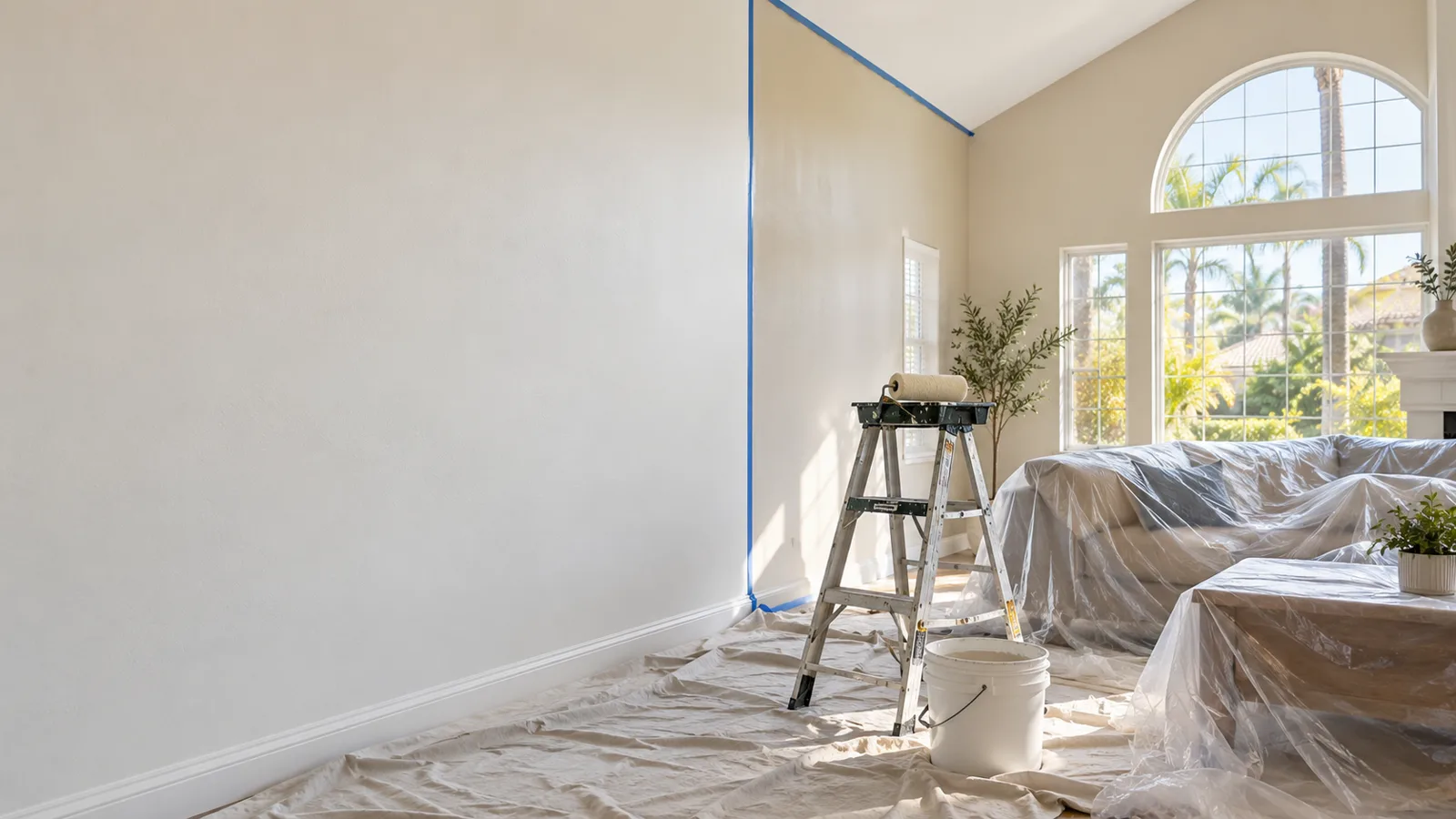
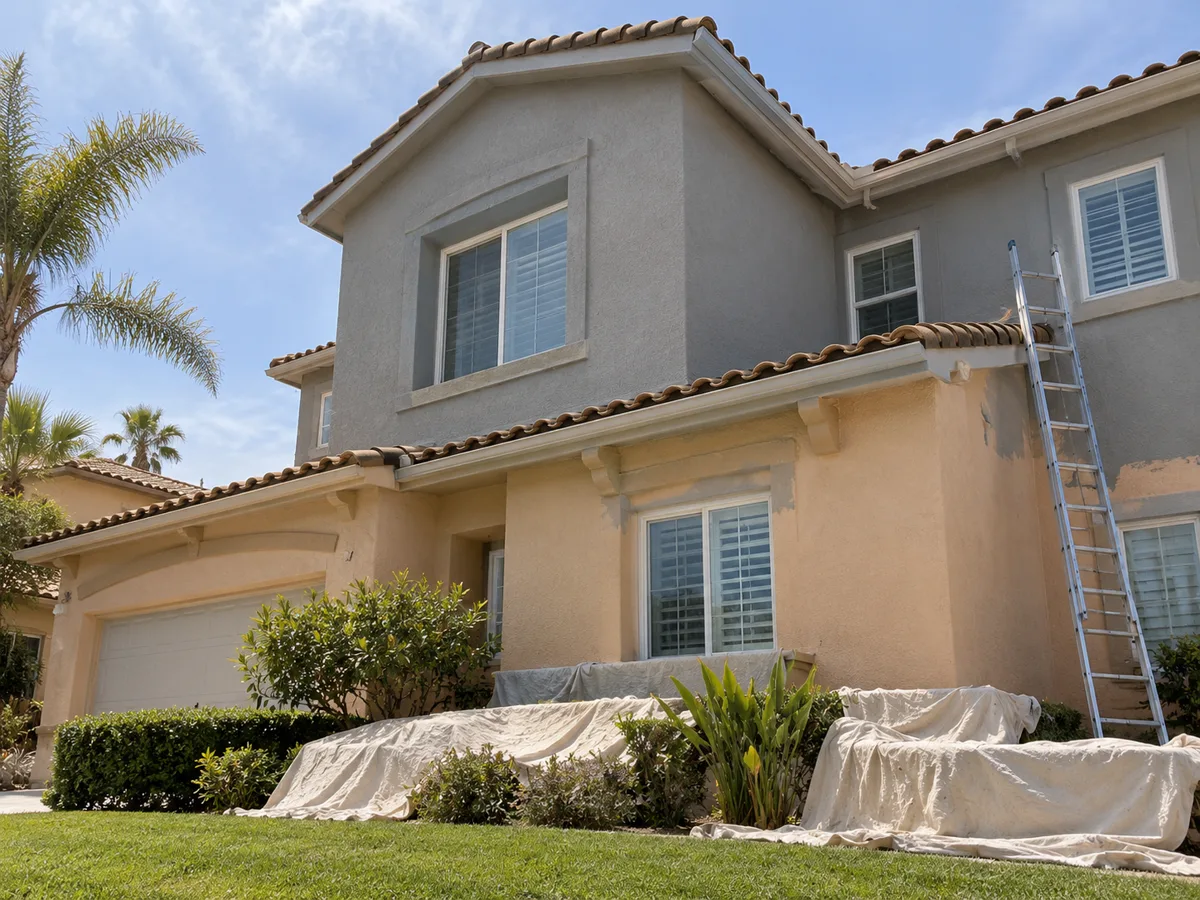
We go around the house or property with you, check the stucco, the trim and the existing coating, and note what inland sun, dust and dry Santa Ana winds have done to each elevation.
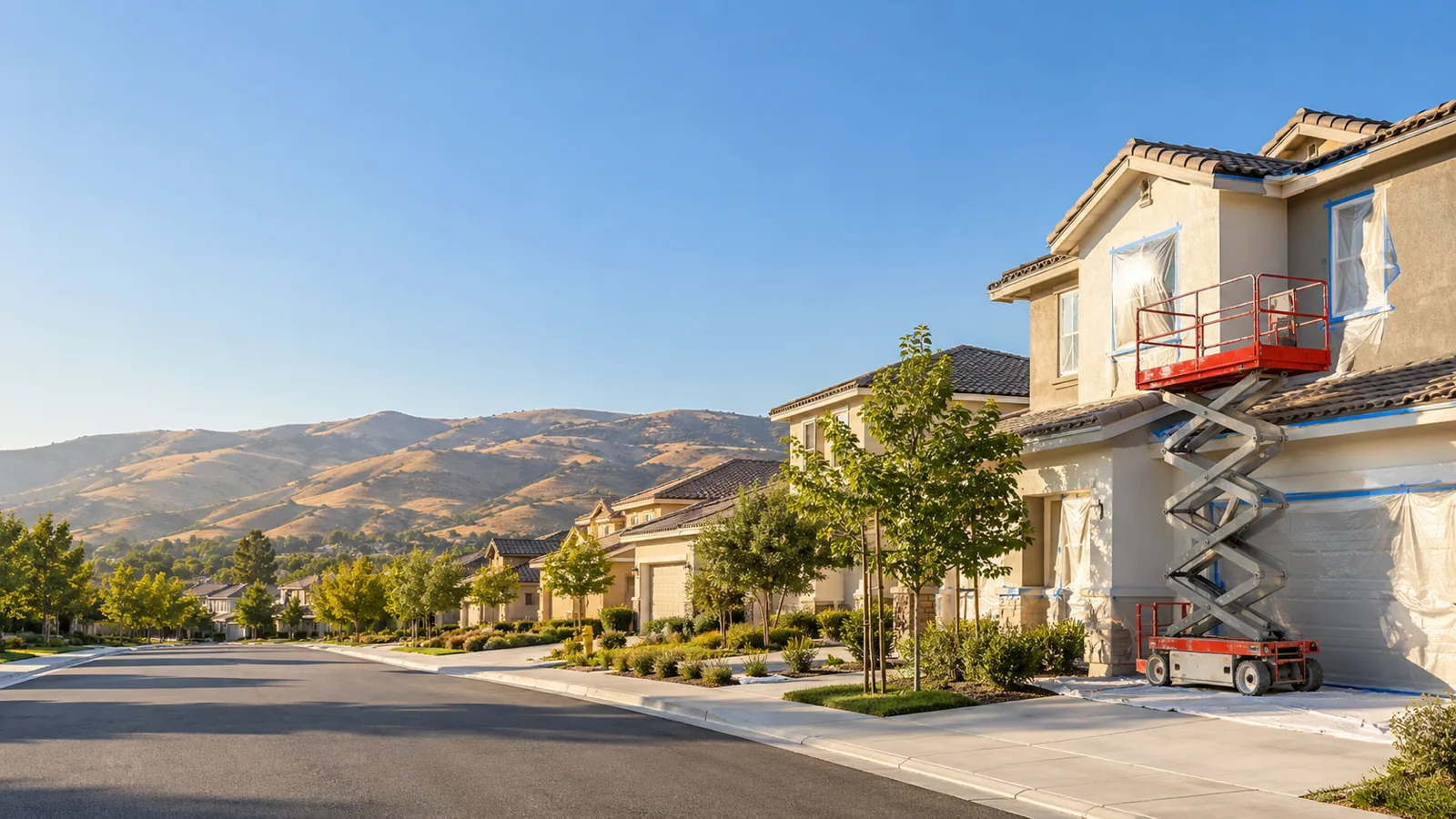
The prep, products, colors and dates arrive in writing. For a community or a commercial building the scope is split into phases, so every resident or tenant knows their day.
Washing, scraping, patching and caulking come before any color, since that is what the new coating grips. Primer follows where the surface needs it, then the finish coats.
We walk the job again together before calling it finished, and touch up anything you flag.
Questions
In most cases, yes. Dining rooms and back of house are painted after the last seating and finished before prep starts, using low-odour products and ventilation, and the floor is cleaned before your staff arrive. If a kitchen wall needs repairs that cannot be done overnight, the bid names that night in advance.
Yes. Shell, canopies and common walkways go on the landlord's line and each tenant's interior and storefront go on that tenant's line, with any shared items assigned in writing before the bid is accepted. Each party can approve and pay its own part.
A hard, washable coating over degreased, repaired walls, chosen so the room meets the Retail Food Code requirement for smooth, nonabsorbent, easily cleanable walls and ceilings. The product data goes to you for your file before the work starts.
Yes. We look at the neighbouring facades and the building's era, check the colour against the city guidelines and any owner criteria, and paint a sample area for approval before the facade is coated.
We agree it with the sign company first: letters come down and go back up, are masked in place, or are cut around. The choice is written on the schedule for each frontage, so the tenant knows what to expect the morning after.
Yes. On a build-out we follow the general contractor's schedule, submit product data and colours for approval, and close with a punch list walked with the superintendent. Proof of licence and insurance goes in with the bid on request.
By elevation and tenant frontage, with the busiest storefronts painted at night and back-of-house walls by day. Each phase is a defined stretch of wall with its own dates, so tenants get notice for their frontage only.
Homeowners get a free estimate at the property. Boards, managers and builders can send plans or a unit count for a bid.
Licensed, insured and bonded · License #585047. Calls only, we do not receive text messages.