
Trim, Baseboard and Interior Door Painting in Temecula
Temecula Premier Painting is a leading name for trim and door painting in Temecula, CA and throughout Riverside County, specializing in baseboard enamel, door and window casing refinishing and crown molding painting. We offer sprayed interior doors and caulked trim joints.
- Free on-site estimate
- Written scope, coat by coat
- Colors you approve first
About our trim, baseboard & interior door painting
Our team provides waterborne alkyd enamel work, delivering a hard, washable finish on every edge a vacuum or a shoe can reach, for both residential and commercial projects. We walk each room with you and mark every length of trim, and the written scope lists the caulking, the primer and the number of enamel coats for each surface.
From back-priming a replaced MDF baseboard to rehanging a hallway of sprayed six-panel doors, our team handles every detail. Serving Temecula, Fallbrook, Rainbow and Valley Center, we keep floors covered, hardware labelled and each door back on its own hinges.
Why Temecula Premier Painting
How We Work
The person who looks at your walls is the person you call back, from the estimate to the final walk.
Spraying doors flat for a brush-free finish
Interior doors get their smoothest finish when they come off the hinges and are sprayed lying flat. A spray gun atomizes the enamel and lays an even film across a whole face, which a brush struggles to match on a paneled door, where strokes pile up in the corners of every recessed panel.
How each door is handled
- Every slab is numbered to its opening, and its hinges and knob are bagged and tagged with it.
- Faces and edges are cleaned and scuff-sanded so the new enamel has something to grip.
- The door is laid on stands in a covered spray area, usually your garage, and sprayed one side at a time.
- It goes back on its own hinges only once the enamel has cured enough to handle, following the product data sheet rather than a guess.
Doors that are more trouble to remove than to paint in place, such as a pocket door or a set of closet bypass doors, are brushed and finished with a fine foam roller where they hang. The jambs and casings are brushed while the slabs are down, so the opening and the door are done together.
Caulking trim joints for a crisp line
Caulk is a flexible sealing compound for closing gaps, and on trim it is what makes the finished paint line look straight. Where a baseboard meets a wall that is not quite flat, or a casing meets drywall, a hairline gap throws a shadow that enamel alone will never close.
Every joint is caulked before the topcoat: the top edge of each baseboard, both sides of each casing, the miters at outside corners and the seam where crown molding meets the ceiling. Nail holes are filled with wood putty and sanded flush, so they vanish under the enamel instead of showing as a row of dimples in raking light.
Caulk that has already cracked or pulled away is cut out first. A new bead laid over a failed one only hides the crack until the old bead moves again and takes the new one with it.
Choosing an enamel that resists scuffs
Trim takes more punishment than any wall in the house, because vacuum heads, shoes, pets and chair legs all hit the bottom few inches of a room. So walls and trim get different paint. Enamel is the name for paint that dries to a hard, usually glossy finish meant for surfaces that take hard wear, and most enamels are alkyd based.
A waterborne alkyd enamel brings the flow and levelling of a conventional oil-based alkyd, so brush and roller marks relax out as it dries, while cleaning up with water. Product data for one widely sold waterborne alkyd line describes it curing to a hard, furniture-quality finish that stands up to repeated washing and resists scratching, and lists it for doors, trim and cabinetry, applied by brush, spray or roller.
Picking the sheen
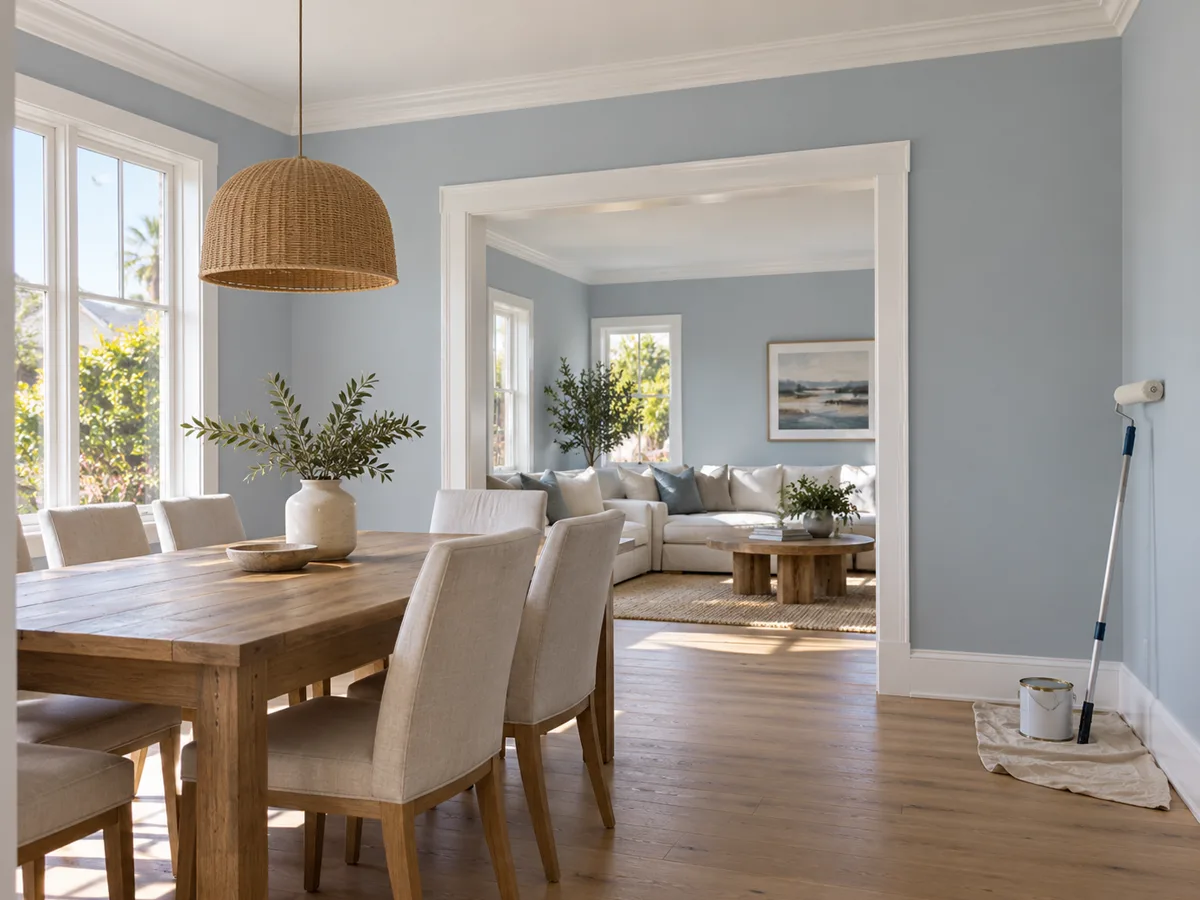
Semi-gloss is the usual choice for baseboards and doors because it wipes clean. Satin reads softer on casings and crown. High gloss suits a statement door or a built-in where you want the shine. We brush a sample of each sheen onto a piece of your own trim before you choose, so the decision is made in your light, not under a store's.
Swollen MDF baseboards
MDF, medium-density fibreboard, is an engineered board pressed from wood fibre, wax and resin. It is popular for painted trim because it holds a profile, stays dimensionally stable and takes paint well. Its weakness is water: lower grades can swell and break when saturated, and unsealed MDF can expand in damp rooms.
The damage shows wherever floors are mopped or water splashes: kitchen toe runs, bathroom bases, the laundry room and the run of base beside a refrigerator or dishwasher. The bottom edge puffs up, the paint crazes over it and the corner joints open.
Replace it, do not paint over it
Enamel over a swollen length only outlines the damage, so those lengths are cut out and replaced with new base. The replacement is primed on every side, including the back and the cut ends, before it is nailed up, caulked and painted with the rest of the room, which gives the next mop much less raw fibre to soak into.
In a Temecula production home the trim can be MDF or solid pine, and the two look alike under paint. We check a cut end or a chipped corner during the walk, and the estimate names each length that needs replacing so there is no surprise once the crew is in the room.
Trim, baseboard and door painting price ranges
Trim, baseboard and crown painting in Temecula is typically estimated at roughly $200 to $600 per room, and interior doors are typically estimated at roughly $75 to $200 per door. A whole-house package is those two counts multiplied out, which is why every length and every slab is counted on the walk.
What moves the number
- Linear feet of baseboard and casing, and whether there is crown molding.
- Door count, and paneled doors versus flat slabs.
- Spraying doors off their hinges versus brushing them in place.
- Condition: dents, failed caulk and old glossy coats that need a bonding primer.
- A colour change, such as stained wood trim going white, which takes extra primer.
- Swollen MDF lengths that have to be replaced before painting.
- Furniture moving and floor protection in occupied rooms.
These figures are estimates and subject to change. The written quote, prepared after we count the doors and measure the trim, sets your final price.
Trim and doors for landlords, managers and offices
Baseboards and doors are the first surfaces to look tired in a rental, and they are often the only thing a unit needs between tenants. Property managers can book a trim and door refresh on its own or inside a full make-ready through our unit turnover service, priced per unit once the door and trim counts are known.
Office and medical suites carry the same details at a larger count: door frames, base and casing along every corridor. Those jobs run through our office and tenant improvement path, scheduled after hours or by floor so the suite stays open, with a written schedule and a punch list walked with the manager at the end.
For your own house, one call books the walk, and you get a written estimate that lists every room, every door and the enamel going on them.
Colors and Finishes
The process
How a Painting Job Runs
Four steps, and no paint goes on until you have signed off on the scope and the colors.
The walk
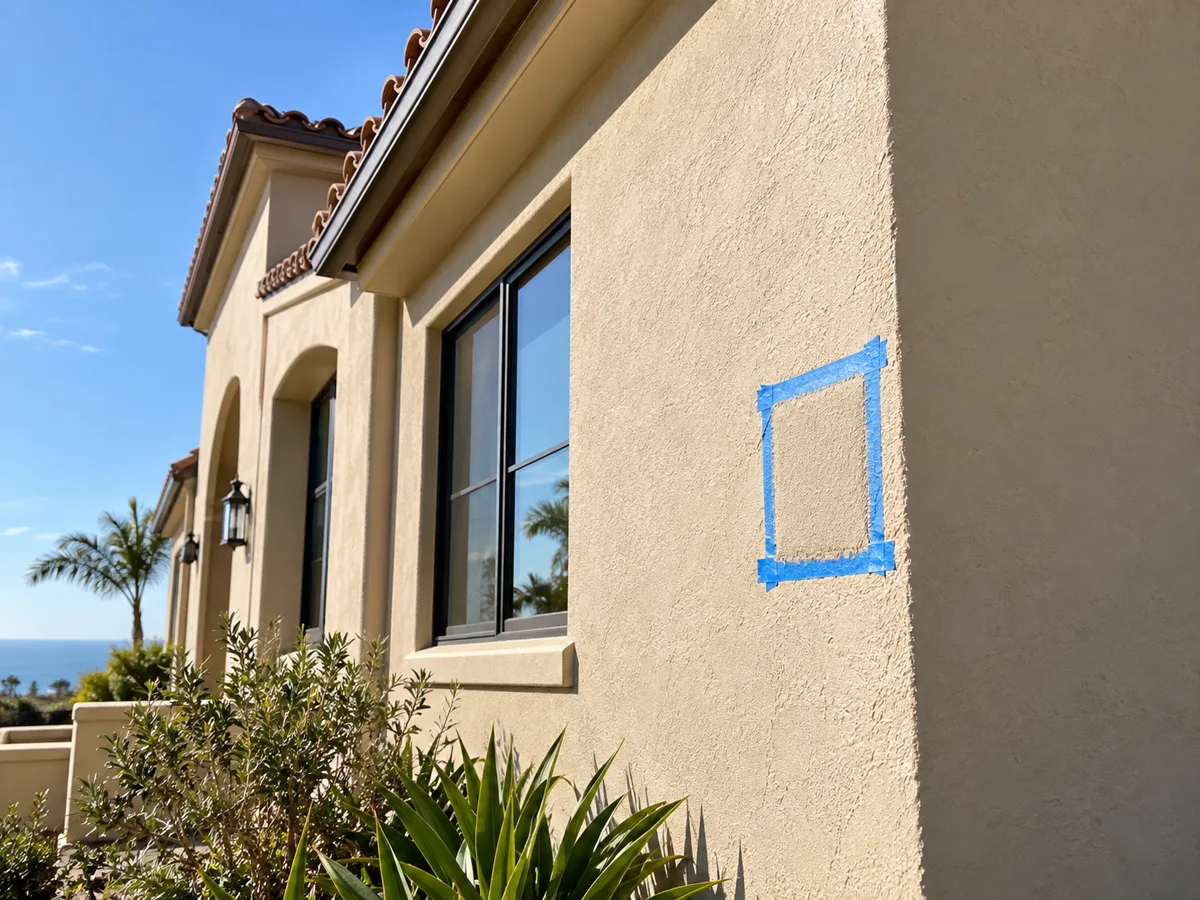
We go around the house or property with you, check the stucco, the trim and the existing coating, and note what inland sun, dust and dry Santa Ana winds have done to each elevation.
The written scope
The prep, products, colors and dates arrive in writing. For a community or a commercial building the scope is split into phases, so every resident or tenant knows their day.
Prep, then paint
Washing, scraping, patching and caulking come before any color, since that is what the new coating grips. Primer follows where the surface needs it, then the finish coats.
The final walk
We walk the job again together before calling it finished, and touch up anything you flag.
Questions
Trim, Baseboard & Interior Door Painting: Common Questions
How much does it cost to paint interior doors in Temecula?
Interior doors are typically estimated at roughly $75 to $200 per door, with paneled doors, a colour change and spraying off the hinges at the higher end. Your written quote sets the final price after we count the doors.
Is it better to spray or brush interior trim and doors?
Doors come out smoothest sprayed flat, because spraying lays an even film with no brush marks in the panels. Baseboards and casings that stay on the wall are usually brushed, with the enamel's levelling doing most of the smoothing.
Can you paint the trim without painting the walls?
Yes. Trim and doors are a job on their own, and the walls are masked and protected while the enamel goes on. If you plan to repaint the walls later, the trim is usually done last so its edges stay crisp.
Can stained wood trim be painted white?
Yes. Stained and varnished trim is cleaned, scuff-sanded and given a bonding primer so the enamel grips, and darker wood can need an extra coat of primer before white covers it evenly.
My baseboards are swollen at the bottom. Can you just paint them?
Not well. Swollen MDF keeps its puffed edge under paint, so those lengths are replaced with new base, primed on every side and then painted with the rest of the room.
How long will my doors be off their hinges?
Each door goes back up once its enamel has cured enough to handle, following the product data sheet and the weather. The start date and the expected length of the job are written on your estimate.
Do I need to empty the rooms?
No. Small items and anything fragile near the baseboards should be moved, and we slide larger furniture away from the walls, cover the floors and put everything back when the room is finished.
Talk to us about trim, baseboard & interior door painting
Homeowners get a free estimate at the property. Boards, managers and builders can send plans or a unit count for a bid.
Licensed, insured and bonded · License #585047. Calls only, we do not receive text messages.