
Drywall Repair and Painting in Temecula, Finished Flush
Temecula Premier Painting provides drywall repair and painting in Temecula, CA, so a patch disappears instead of showing through the new coat. We handle cracks, nail pops, water damage, dents and damaged corners in the stucco-and-drywall tract homes that fill the valley.
- Free on-site estimate
- Written scope, coat by coat
- Colors you approve first
About our drywall repair and painting
Our team repairs the wall first and paints it second, and that order is what keeps a patch invisible. A crack that is only painted over comes back, and a patch that is not textured to match shines like a window when the afternoon light rakes across it.
From a single hallway crack to a ceiling where a leak has stained and softened the board, we find the cause, cut back to sound material and rebuild the surface. We serve homeowners in Temecula and nearby communities such as Canyon Lake and French Valley, and the paint goes on as soon as the repair has cured.
Why Temecula Premier Painting
How We Work
The person who looks at your walls is the person you call back, from the estimate to the final walk.
What causes drywall damage in Temecula homes
Most drywall damage in Temecula homes comes from movement, moisture or everyday wear, and the cause decides the repair. Treating the symptom without the cause is how the same crack appears twice.
- Settling and seismic movement. Southern California homes shift a little over the years, and hairline cracks often start at the corners of doors and windows, where the board is under the most stress.
- Nail and screw pops. Framing lumber dries and moves after construction, pushing fasteners through the surface in rows.
- Plumbing and roof leaks. Water stains, bubbled paint and soft board are the signs, and the wet material has to be replaced, not just sealed.
- Impact damage. Doorknobs, furniture, moving day and kids leave dents and holes.
- Failed tape joints. Seams that were taped in a rush crack open along a straight line.
When we see a stain or soft spot, we check that the leak is fixed before we repair anything. We do not cover a wet wall.
Matching texture on 1990s and 2000s tract homes
Matching the texture is what separates a good repair from a visible one. Many Temecula homes in neighborhoods built from the late 1980s through the 2000s, such as Redhawk, Wolf Creek, Paloma del Sol and Roripaugh Ranch, carry orange peel, knockdown or smooth-with-a-light-skim wall textures, and ceilings are often spray-textured.
We identify the pattern, then reproduce it with the right tool and mud consistency, feathered wide so the edge of the patch never reads as an edge. If the wall is a mix, because a past repair used a different texture, we correct that so the room is even.
For a larger area where the old texture is failing, a skim coat can level the whole wall. We discuss that at the walk when it will give a better result than patching in pieces.
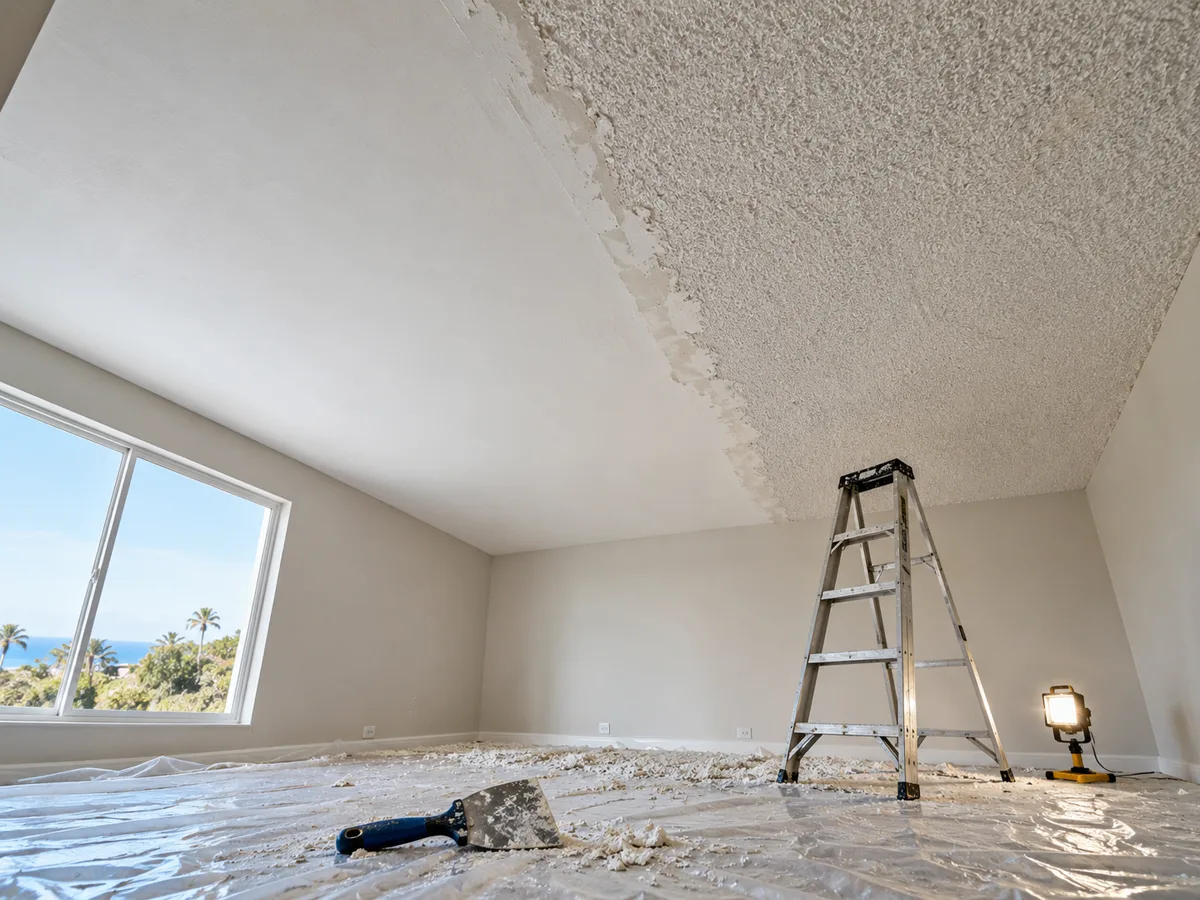
The repair sequence, step by step
Every repair follows the same order, and each step has a reason.
- Find the cause. We check for leaks, movement and loose fasteners before touching the wall.
- Cut back to sound board. Crumbling or wet drywall is removed to solid material, and damaged tape is cut out.
- Patch and tape. A backing or a new piece is fastened, joints are taped and bedded in compound, and cracks that tend to reopen get reinforcing tape.
- Feather and sand. Several thin coats of compound are feathered wide, because one thick coat shrinks and cracks.
- Match the texture. The surrounding pattern is reproduced and allowed to dry.
- Prime and paint. Patched areas are sealed with primer, so the finish coat does not flash, and the whole wall is painted corner to corner.
Painting the full wall, rather than just the patch, is what makes the repair vanish. A spot repaint rarely matches faded paint.
Level 4, Level 5 and when the difference matters
The finish level decides how much light a wall can take before the seams show. A Level 4 finish is standard for most painted rooms with flat or matte paint. A Level 5 finish adds a skim coat over the entire surface and is the right call for glossier paint, long walls with strong window light, and rooms where the wall is a feature.
Temecula's bright afternoon light makes this more relevant than it sounds. A wall that looks fine at noon can show every joint at 4 p.m. when sun comes in sideways through a west window. We tell you which level suits the room and the paint sheen you plan to use.
Older plaster is a different material. If your home has plaster walls, we repair them with plaster-compatible methods, not drywall compound, and we say so at the estimate.
Once the walls are smooth, the repaint follows our interior house painting process. Walls under old paper are covered on wallpaper removal and repainting. A repaired wall can also take venetian plaster.
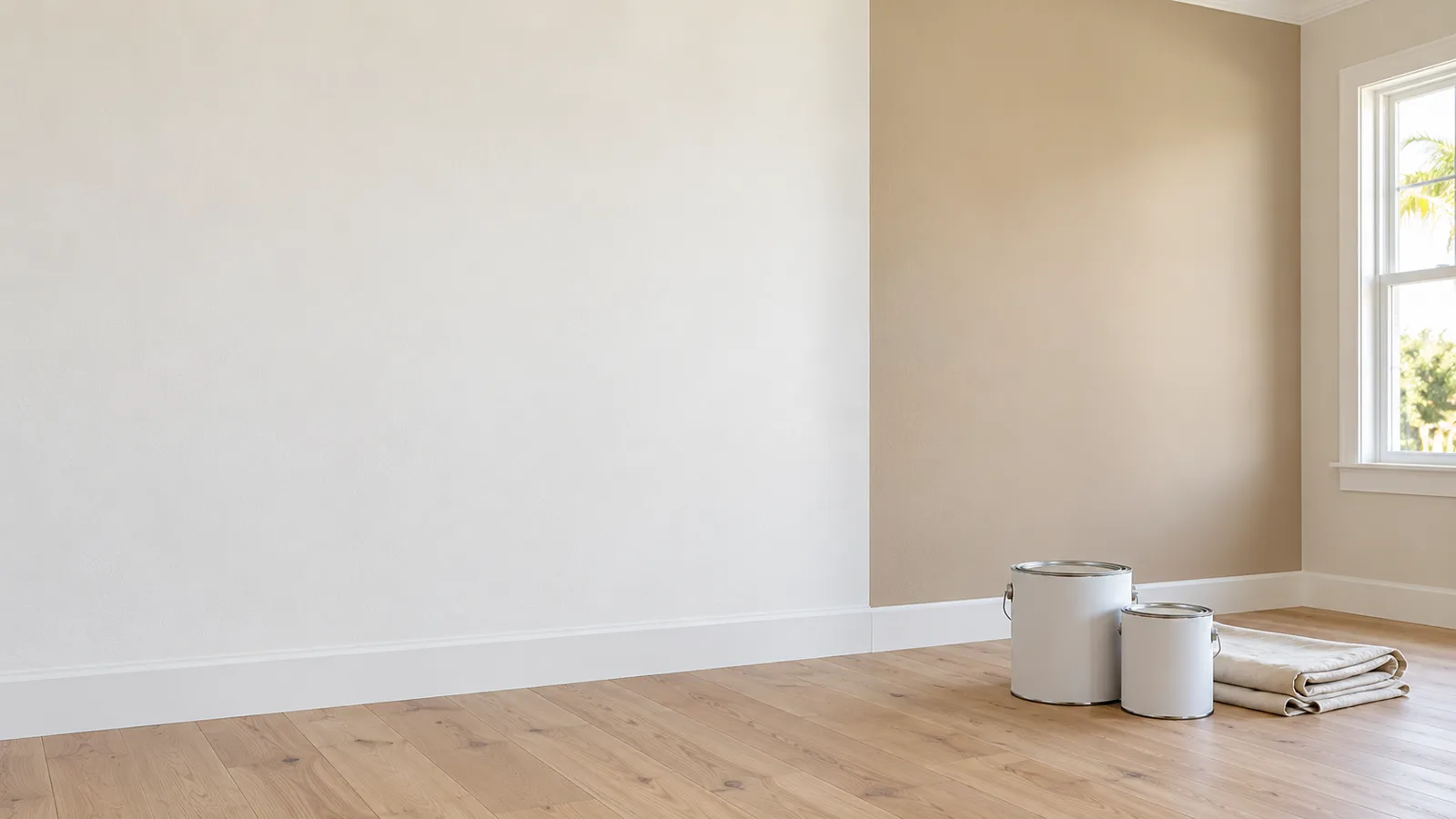
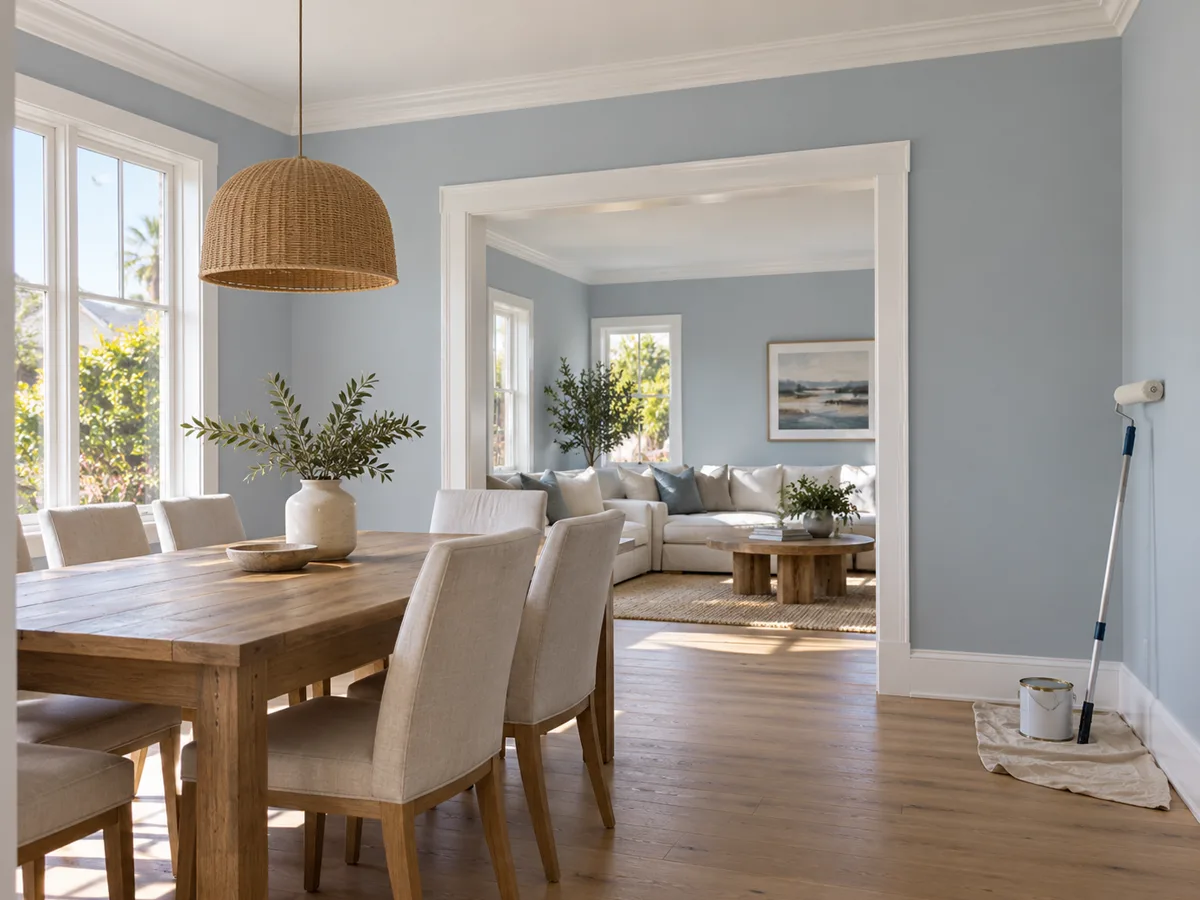
Repaired and Painted Rooms
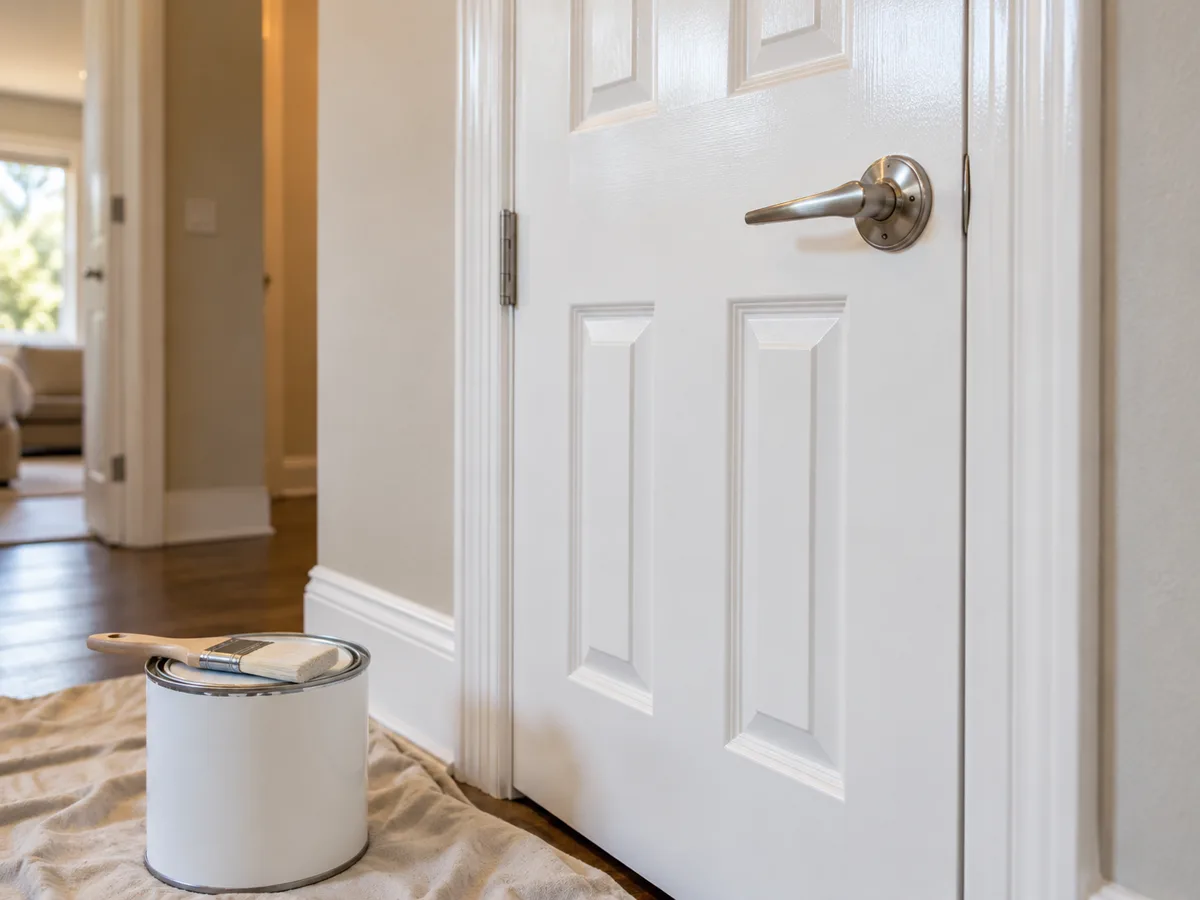
The process
How a Repair-and-Paint Job Runs
Four steps, and the paint goes on only after the repair has cured and been sanded.
Walk the damage
We look at each crack, stain and dent with you, check for leaks or movement, and decide what needs cutting out.
Written scope
The estimate lists each repair, the texture to match, the primer and the paint, room by room.
Repair and cure
We patch, feather and texture, and let each coat dry fully before sanding, since rushed compound shrinks.
Prime, paint, final walk
Patches are primed, the walls are painted corner to corner, and we check the finish in raking light with you.
Questions
Drywall Repair and Painting in Temecula: Common Questions
Will the repair show after painting?
Not when it is done in the right order. We feather the compound wide, match the wall texture, prime the patch and paint the whole wall. We check it in raking light with you before we call it finished.
Why do cracks keep coming back?
Because the cause was never addressed, or the crack was only filled. We look for movement, loose framing and failed tape, and we use reinforcing tape on cracks that tend to reopen.
Can you fix water-damaged drywall?
Yes, once the leak is fixed. Soft or stained board is cut out and replaced, then taped, textured and painted. We do not seal over wet material.
Can you match my wall texture?
Usually, yes. We identify orange peel, knockdown or smooth finishes and reproduce them. If the old texture is failing, we may suggest a skim coat for an even result.
Do I need to repaint the whole wall?
We recommend it. A repainted patch rarely matches paint that has faded for years, so painting the wall from corner to corner is what makes the repair invisible.
What is the difference between Level 4 and Level 5?
Level 5 adds a skim coat over the entire surface. It suits glossy paint and walls under strong window light. Level 4 is fine for most rooms with matte or flat paint.
Do you repair plaster walls too?
Yes, with plaster-compatible materials. Plaster and drywall behave differently, and the estimate says which one you have.
Get the damage repaired properly, then painted
Homeowners get a free estimate at the property. Send photos of the cracks, stains or holes and we will tell you what we need to see at the walk.
Licensed, insured and bonded · License #585047. Calls only, we do not receive text messages.